
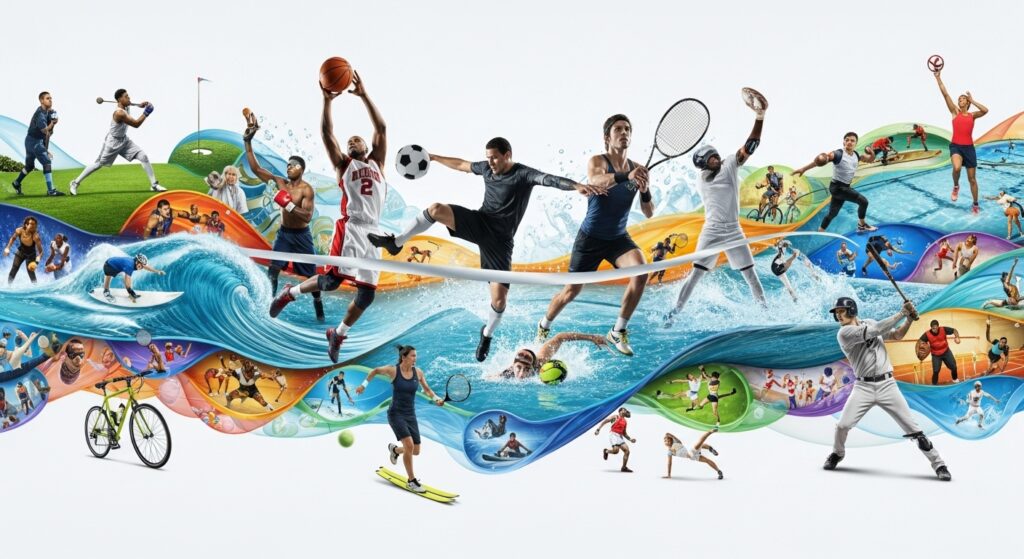
Sports are not just about competition and victory; they hold a deeper meaning for players and fans alike. They are a powerful force that brings people together, challenges us to become better versions of ourselves, and provides valuable life lessons. In this post, we will explore the multifaceted role sports play in shaping character, society, and culture, highlighting how much more they are than just a physical activity or entertainment.
The Emotional Connection: How Sports Unify Us
One of the most remarkable aspects of sports is their ability to unite people across the world. Whether it’s a local neighborhood game or an international tournament, sports transcend geographic, linguistic, and cultural barriers. From cheering for a favorite team to rallying behind a national athlete, sports create a bond that connects individuals regardless of their background. The excitement, tension, and joy of watching a game can spark conversations, build friendships, and even bring communities together in ways few other events can.
These moments of unity aren’t just limited to positive outcomes. Sports also provide a shared space for collective grief or disappointment. Fans often feel a deep sense of loss after their team loses an important match, and in such moments, the community spirit remains. This emotional rollercoaster—celebration or sorrow—becomes a thread that ties people together, fostering camaraderie that lasts long after the final whistle blows.
The Life Lessons Sports Impart
Sports are more than just a physical contest; they offer invaluable life lessons. The discipline required to train regularly, the resilience to keep going despite setbacks, and the ability to work as part of a team are all qualities that extend beyond the playing field.
Discipline is one of the most fundamental lessons taught by sports. Whether an athlete is training for a championship or a weekend tournament, the commitment to consistent practice and improvement is critical. This sense of responsibility is something that athletes carry into their personal and professional lives, applying the same dedication to their work and relationships.
Team sports, especially, teach the importance of collaboration. Success in sports is rarely down to the effort of one person. Whether it’s basketball, soccer, or even relay racing, the best teams are those that function like a well-oiled machine. Learning to trust teammates, communicate effectively, and put collective goals above individual aspirations is a lesson many carry with them throughout life.
Physical and Mental Health: Sports as a Path to Wellness
Sports are widely recognized for their physical health benefits, but their impact on mental health is just as significant. Engaging in sports increases physical fitness, improves heart health, and boosts overall energy levels. However, the benefits don’t stop there.
The mental health advantages of sports cannot be overstated. Physical activity releases endorphins, the body’s natural mood enhancers. Whether it’s a quick jog, a friendly tennis match, or a competitive soccer game, exercise helps reduce feelings of stress, anxiety, and depression. For many, playing sports serves as an outlet for emotions, providing a way to cope with life’s pressures.
Sports also foster a sense of accomplishment. Achieving personal bests, learning new skills, or contributing to a team’s success provides a powerful boost to self-esteem. The constant pursuit of improvement, whether it’s through honing a skill or simply getting fitter, helps athletes develop confidence and a positive self-image.
The Role of Technology in Modern Sports
As technology continues to evolve, it significantly influences how sports are played, viewed, and experienced. From advanced training techniques to high-definition broadcasts, technology is changing the way athletes perform and how fans interact with the game.
Athletes now use wearables that track everything from heart rate to oxygen levels, offering valuable insights into performance. These tools help fine-tune training regimens, preventing injury and enhancing overall athletic performance. For example, the use of motion-capture technology can help players improve their form and technique, allowing them to make subtle adjustments that can improve their performance in the long term.
For fans, technology has revolutionized the way we watch sports. HD cameras, instant replays, and slow-motion analysis bring the game closer to us than ever before. Live streaming services and apps allow fans to stay connected to their favorite teams and players, regardless of location. Virtual reality and augmented reality are even giving fans immersive experiences, making them feel like they’re right in the middle of the action.
Sports as a Platform for Change
Beyond entertainment and health, sports also serve as a platform for social change. Many athletes use their visibility to raise awareness about critical issues like racial equality, mental health, and environmental sustainability. From Muhammad Ali’s stance on civil rights to Colin Kaepernick’s protest against racial injustice, athletes have used their platforms to spark conversations and inspire change.
Sports also promote diversity and inclusion. Many leagues and teams are making intentional efforts to ensure that athletes from all backgrounds have an equal opportunity to compete and succeed. This inclusion goes beyond just race or gender—sports can also provide opportunities for people with disabilities, as we’ve seen with the rise of adaptive sports like wheelchair basketball and the Paralympics.
Conclusion: The Lasting Impact of Sports
Sports are a reflection of life itself. They mirror our successes and failures, our joys and heartbreaks, and our capacity to push beyond our limits. They teach us essential life skills, foster connections, and improve our health. More than anything, sports remind us of the beauty in striving for something greater than ourselves—whether it’s winning a championship or simply improving our own personal performance.
Whether you’re an athlete, a fan, or someone who simply enjoys the occasional game, it’s clear that sports are much more than a pastime. They are a driving force in our lives, offering lessons, experiences, and opportunities that shape our individual and collective journeys. In a world that can often feel divided, sports continue to stand as one of the few things that truly bring us together.




More Stories
Beyond the Scoreboard: How Sports Shape Minds, Cultures, and the Future
Beyond the Game: The Transformative Power of Sports in Society
Beyond the Scoreboard: How Sports Shape Minds, Nations, and Everyday Life