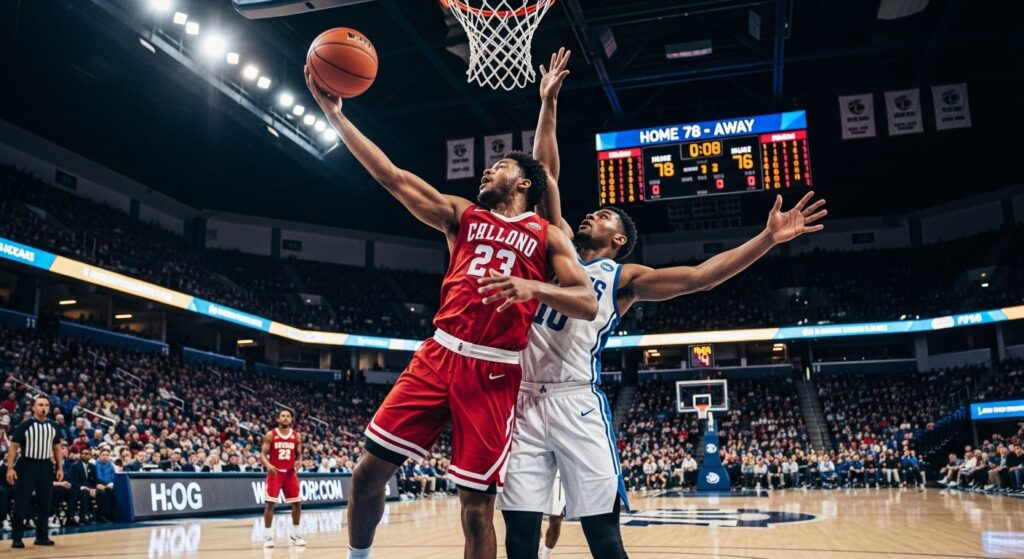
Sports have long been considered a powerful tool for entertainment, fitness, and camaraderie. Whether you’re a casual fan or a dedicated athlete, the world of sports offers something for everyone. However, there’s more to sports than just the action on the field. In this blog post, we dive deep into the unseen impact of sports—how it shapes individuals, communities, and even entire nations.
The Psychological Benefits of Sports
Sports provide far more than physical benefits; they offer significant psychological rewards too. Engaging in physical activity, whether through a competitive match or casual play, has been scientifically shown to improve mood, reduce anxiety, and boost self-esteem. For athletes, the thrill of competition can promote a sense of accomplishment, while teamwork can create lifelong bonds and feelings of camaraderie.
For many, sports act as an outlet to deal with stress. After a long day at work or school, hitting the gym, running on a trail, or simply joining a pick-up game can provide a mental reset. The adrenaline rush that comes with playing or watching a sport also triggers the release of endorphins, which are natural mood lifters.
The Role of Sports in Shaping Communities
Sports hold a unique place in communities, acting as a unifying force. They create shared experiences that bring people from all walks of life together. Whether it’s a local football game, a neighborhood race, or a community-based soccer league, these activities offer opportunities for social bonding and collective pride.
In small towns, a local sports team can be the heartbeat of the community, sparking conversations, gathering crowds, and creating a sense of identity. Large-scale sports events, like the Olympics or World Cup, elevate this sense of unity on a global scale. Watching athletes from different parts of the world compete under the same roof can break down cultural barriers and inspire collaboration across borders.
The Influence of Sports on Health and Well-being
Physical activity through sports is widely recognized as an essential component of a healthy lifestyle. Regular participation in sports helps improve cardiovascular health, build muscle strength, increase flexibility, and maintain a healthy weight. For individuals of all ages, staying active through sports can significantly reduce the risk of chronic diseases such as diabetes, hypertension, and obesity.
But the benefits of sports go beyond the body. Being active enhances cognitive function and can even help delay the onset of age-related mental decline. Additionally, regular exercise increases overall energy levels, making it easier to focus and stay productive in daily life.
Sports as a Catalyst for Personal Development
Sports are a powerful medium for personal growth and character development. Whether it’s learning discipline, overcoming setbacks, or fostering resilience, athletes often face challenges that teach them important life lessons. From learning the importance of teamwork to dealing with the highs and lows of competition, sports instill qualities that can benefit individuals off the field as well.
Children, especially, benefit from the values that sports teach. Involvement in sports helps young people develop important life skills such as communication, responsibility, and leadership. Through teamwork and collaboration, they learn how to achieve common goals and deal with failure in constructive ways.
The Global Impact of Sports in Culture and Economy
On a larger scale, sports have significant cultural and economic influence. Major events like the Super Bowl, FIFA World Cup, and Wimbledon not only draw in millions of viewers but also generate billions of dollars in revenue. From ticket sales to merchandise, the sports industry is a massive global enterprise, providing jobs, fostering local economies, and boosting tourism.
Culturally, sports are a platform for creativity and expression. National pride often peaks during international sporting events, where countries compete to showcase their prowess on the world stage. Sports also serve as a bridge for understanding different cultures. The widespread popularity of sports like soccer and basketball transcends language and geographical barriers, creating a shared space for people from diverse backgrounds to connect and celebrate.
Conclusion: The Endless Power of Sports
While the roar of a stadium crowd, the triumph of victory, and the agony of defeat are the most visible aspects of sports, there is a hidden power that extends far beyond the game itself. Sports shape individuals by fostering mental and physical health, personal development, and resilience. They unite communities, strengthen economies, and break down cultural walls.
Whether you’re playing a friendly match with friends or watching a professional game on TV, remember that the true power of sports goes beyond the field, affecting individuals and societies in ways we might not always see but undoubtedly feel.
Sports aren’t just a pastime—they are a driving force for change, growth, and unity. And perhaps, that’s the real beauty of sports: their ability to transcend the game and leave a lasting impact on the world.



More Stories
Beyond the Scoreboard: How Sports Shape Minds, Cultures, and the Future
Beyond the Game: The Transformative Power of Sports in Society
Beyond the Scoreboard: How Sports Shape Minds, Nations, and Everyday Life