Introduction: The Universal Influence of Sports
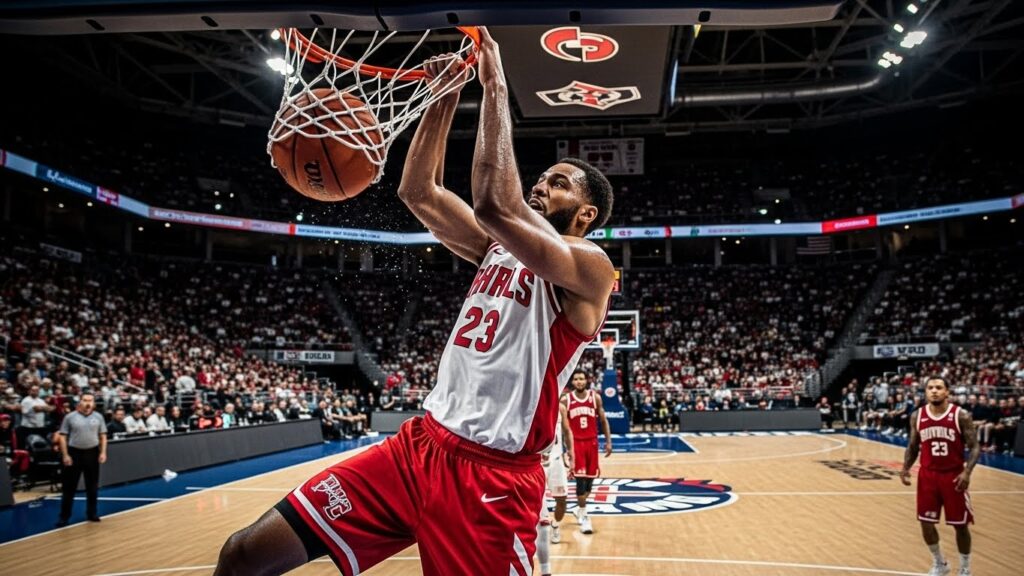
Sports are a universal aspect of human life, transcending age, culture, and geography. They are more than games; they are a reflection of society, a source of entertainment, and a medium for personal and communal growth. Sports bring people together, inspire passion, and teach valuable life lessons such as teamwork, discipline, and perseverance. Whether played professionally, recreationally, or watched as a spectator, sports influence individual lives and shape societal culture in profound ways.
The Origins of Sports: From Ancient Traditions to Modern Games
Sports have deep historical roots. Ancient civilizations engaged in physical contests for survival, training, entertainment, and ritual. The Egyptians, Greeks, and Romans organized competitions to test physical prowess and strategic thinking. The Olympic Games in ancient Greece highlighted excellence, discipline, and unity, values that continue to resonate today.
Over centuries, sports evolved into organized competitions and recreational activities. Soccer, cricket, basketball, and other modern sports emerged, combining traditional practices with formal rules, leagues, and global audiences. The evolution of sports reflects human creativity, cultural exchange, and the desire for both competition and camaraderie.
Physical Benefits of Sports
Participation in sports provides significant physical health benefits. Regular engagement improves cardiovascular fitness, strengthens muscles and bones, enhances flexibility, and boosts endurance. Sports also help maintain a healthy weight, improve coordination, and reduce the risk of chronic diseases such as diabetes, hypertension, and obesity.
Beyond general fitness, sports develop motor skills, agility, and reflexes. Activities such as running, swimming, and team-based games challenge multiple muscle groups while promoting overall physical well-being. Consistent participation in sports fosters long-term health and encourages a lifestyle centered around movement and activity.
Mental and Emotional Benefits of Sports
Sports have profound mental and emotional advantages. Physical activity releases endorphins, which help reduce stress, anxiety, and depression. Engaging in sports enhances focus, concentration, and memory, improving overall cognitive function.
Competitive and recreational sports teach resilience, patience, and emotional regulation. Athletes learn to handle success and failure, manage pressure, and set realistic goals. Sports also boost self-esteem and confidence, empowering individuals to face challenges both on and off the field.
Team Sports: Collaboration and Community
Team sports, such as soccer, basketball, and volleyball, emphasize collaboration, communication, and collective problem-solving. Players rely on each other to achieve common goals, fostering trust and cohesion. Team sports teach essential life skills including leadership, negotiation, and adaptability.
The social aspect of team sports extends beyond the players. Communities rally around local teams, celebrating victories, sharing experiences, and building connections. Spectatorship enhances social cohesion, as fans engage in discussions, attend games, and participate in collective celebrations. Team sports serve as a bridge between personal development and community identity.
Individual Sports: Discipline and Personal Growth
Individual sports like tennis, gymnastics, athletics, and swimming focus on personal effort and achievement. Success depends on individual discipline, mental fortitude, and consistent practice. These sports teach time management, goal-setting, and self-motivation, encouraging athletes to push their boundaries.
Individual athletes cultivate mental resilience, learning to overcome setbacks and maintain focus on long-term objectives. Achievements in solo sports instill a deep sense of personal accomplishment and self-confidence, proving that growth and excellence often stem from dedication and perseverance.
Sports in Education: Building Skills and Character
Sports are integral to education, offering lessons that extend beyond academics. Schools and universities incorporate physical education programs to develop physical fitness, teamwork, and leadership abilities. Participation in school-level competitions teaches responsibility, discipline, and perseverance.
Sports encourage students to balance academic and physical pursuits, fostering holistic development. They also enhance social skills, cultural awareness, and emotional intelligence, preparing students for challenges in professional and personal life. Sports in education nurture well-rounded individuals equipped with resilience and teamwork skills.
Professional Sports: Entertainment and Global Impact
Professional sports have grown into a global entertainment industry. Leagues, tournaments, and championships attract millions of fans worldwide. Professional athletes become role models, inspiring youth with their skill, dedication, and sportsmanship.
Beyond entertainment, professional sports impact the economy significantly. Revenue streams include ticket sales, sponsorships, merchandise, and broadcasting rights. Events like the FIFA World Cup, the Olympic Games, and major tennis tournaments create international excitement, foster cultural exchange, and stimulate tourism. Professional sports highlight the intersection of athletic excellence, entertainment, and economic growth.
Technology in Sports: Enhancing Performance and Engagement
Technological advancements have transformed sports in numerous ways. Performance tracking devices, wearable sensors, and motion analysis tools help athletes monitor fitness and refine techniques. Video analysis and data analytics optimize strategies and training methods.
For spectators, technology enhances engagement through high-definition broadcasts, instant replays, and virtual reality experiences. Social media platforms allow fans to follow athletes and interact with teams, creating immersive and connected sporting experiences. Technology bridges the gap between performance and audience, elevating both athlete potential and fan enjoyment.
Sports and Health Awareness
Sports play a crucial role in promoting public health. Community programs, fitness challenges, and awareness campaigns encourage physical activity and healthy lifestyles. Participation in sports fosters lifelong habits, reducing the risk of chronic illness and promoting well-being.
Professional athletes often advocate for health initiatives, influencing millions to adopt active lifestyles. By combining entertainment with health awareness, sports motivate individuals and communities to prioritize fitness and wellness.
Women in Sports: Breaking Barriers
The growth of women’s sports has transformed the athletic landscape. Female athletes excel in a wide range of disciplines, challenging stereotypes and promoting gender equality. Participation in professional and amateur sports empowers women, offering opportunities for recognition, leadership, and achievement.
Efforts to provide equal resources, visibility, and support for women’s sports have increased participation and inspired younger generations. Women’s leagues and competitions continue to grow globally, demonstrating that sports can drive social change and challenge traditional gender norms.
The Psychological Impact of Sports on Fans
Sports influence not only participants but also spectators. Watching games creates emotional highs and lows, fostering passion and loyalty. Fans experience joy, excitement, disappointment, and pride, building a sense of identity and belonging.
Spectatorship also promotes social interaction. Stadiums, fan clubs, and online communities allow shared experiences and discussions. The psychological benefits include stress relief, community bonding, and emotional engagement, making sports a unique avenue for social and mental well-being.
Sports and Cultural Significance
Sports are a reflection of culture and society. They preserve traditions, promote national pride, and inspire collective identity. Events such as the Olympic Games or regional tournaments bring countries together, celebrating athletic skill and cultural heritage.
Local sports traditions, from cricket in India to sumo wrestling in Japan, illustrate the diversity of human culture. Sports influence fashion, music, and media, becoming intertwined with cultural expression. Through sports, societies share values, history, and communal experiences across generations.
Youth Development Through Sports
Youth involvement in sports promotes physical, mental, and social growth. Children develop motor skills, coordination, and fitness while learning teamwork, resilience, and leadership. Sports provide constructive outlets for energy, encourage discipline, and build self-esteem.
Youth programs foster inclusivity and diversity, teaching respect and collaboration across cultural and social boundaries. Early engagement in sports prepares young people for lifelong participation, healthy habits, and personal growth.
Sportsmanship and Ethics
Sports instill values beyond competition. Fair play, integrity, respect, and humility are central to ethical athletic conduct. Athletes learn to prioritize effort, teamwork, and ethical behavior over winning at all costs.
Maintaining ethical standards ensures the credibility of sports and strengthens trust among players, coaches, and spectators. Addressing challenges like doping, corruption, and unfair practices is essential to preserving the spirit and integrity of sports.
The Future of Sports: Innovation and Sustainability
The future of sports is shaped by technology, innovation, and sustainability. Wearable technology, virtual reality, and AI coaching will enhance performance and safety. Esports is expanding the definition of competitive sports, attracting younger audiences and integrating digital engagement.
Sustainable practices in sports, such as eco-friendly stadiums, energy-efficient events, and responsible resource management, are becoming increasingly important. Sports are evolving to balance entertainment, innovation, and environmental responsibility.
Conclusion: The Enduring Significance of Sports
Sports are far more than physical activity—they are a cornerstone of human experience. They promote health, teach life skills, inspire communities, and celebrate cultural diversity. From grassroots participation to professional leagues, sports shape personal development, social cohesion, and global culture.
By engaging in sports, individuals develop resilience, discipline, teamwork, and emotional intelligence. Communities benefit from unity, pride, and shared experiences. As technology, innovation, and sustainability continue to influence sports, they will remain a universal force that entertains, educates, and unites people across generations.




More Stories
Beyond the Scoreboard: How Sports Shape Minds, Cultures, and the Future
Beyond the Game: The Transformative Power of Sports in Society
Beyond the Scoreboard: How Sports Shape Minds, Nations, and Everyday Life