
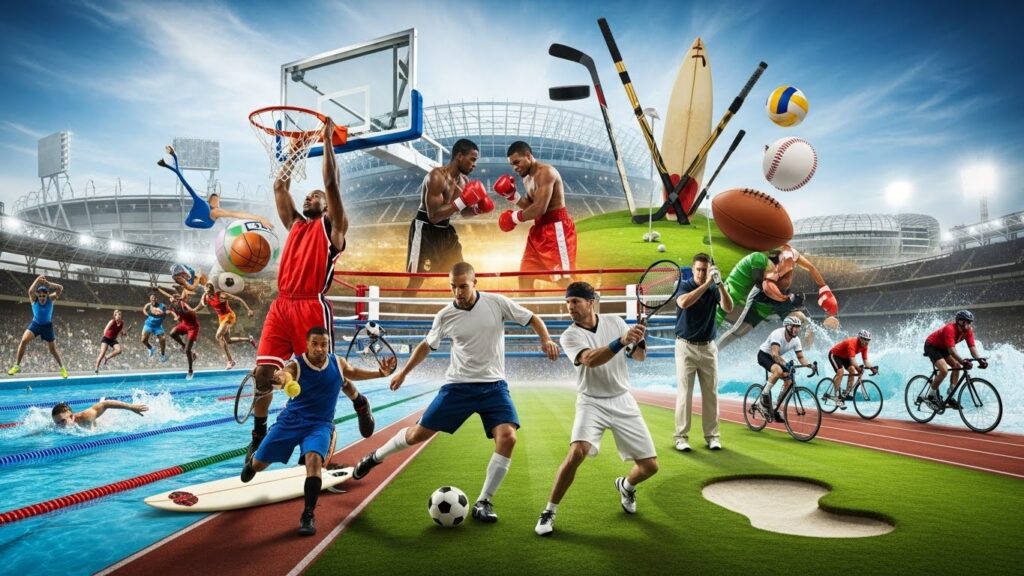
Sports have been a fundamental part of human civilization for centuries. They go beyond physical activity, serving as a platform for social connection, personal growth, cultural expression, and even economic development. Whether played at a grassroots level or watched as professional competitions, sports have the power to inspire, teach, and unite. This blog explores the multifaceted impact of sports, their role in individual development, and their significance in society today.
The Historical Evolution of Sports
The roots of sports can be traced back to ancient civilizations where athletic competitions were intertwined with culture, religion, and social structure. In ancient Greece, the Olympic Games celebrated physical excellence and honored the gods. Similarly, in China, India, and Egypt, traditional games were practiced to train warriors, entertain communities, and showcase skill.
With time, sports evolved into structured competitions with formal rules, standardized equipment, and organized leagues. Modern sports have grown into professional and recreational platforms that engage millions worldwide. From local youth leagues to global tournaments, sports now provide avenues for physical activity, entertainment, and international camaraderie.
Physical Benefits of Sports
Engaging in sports has undeniable physical benefits. Regular participation improves cardiovascular health, strengthens muscles, enhances flexibility, and boosts coordination. Athletes often experience better stamina, agility, and overall fitness.
Physical activity through sports also reduces the risk of chronic illnesses such as obesity, diabetes, and heart disease. Beyond physical health, the discipline involved in regular training cultivates healthy habits, encouraging individuals to maintain active lifestyles long-term.
Mental and Emotional Advantages
Sports provide significant mental and emotional benefits. Physical activity releases endorphins, reducing stress, anxiety, and depression. The structured nature of sports enhances focus, strategic thinking, and problem-solving abilities.
Participating in competitive sports teaches resilience, patience, and coping mechanisms for both success and failure. Athletes learn to set goals, handle pressure, and develop confidence. Sports offer an emotional outlet that supports overall mental well-being, helping individuals navigate the challenges of daily life.
Teamwork and Collaboration
One of the most valuable lessons from sports is the importance of teamwork. Team sports like football, basketball, and volleyball require players to communicate effectively, share responsibilities, and collaborate toward a common objective.
These experiences translate into life skills, helping individuals develop leadership abilities, conflict resolution strategies, and interpersonal skills. Learning to function as part of a team fosters empathy, understanding, and cooperation, which are essential in both personal and professional contexts.
Sports and Personal Discipline
Discipline is a cornerstone of athletic success. Regular training schedules, nutrition management, and strategic preparation require commitment and consistency. Sports teach individuals to prioritize goals, manage time effectively, and maintain perseverance even in the face of setbacks.
This disciplined approach often extends beyond sports. Athletes apply lessons learned on the field to academic performance, career development, and personal relationships, demonstrating how sports instill life-long values.
The Cultural Significance of Sports
Sports reflect the values, traditions, and identity of a culture. They serve as a form of storytelling and expression, showcasing historical customs and societal priorities. Major sporting events often unite communities, regions, and nations.
Events such as the Olympic Games, FIFA World Cup, and other international competitions transcend borders and bring people together in celebration of talent and athleticism. Fans experience collective joy and shared anticipation, demonstrating how sports foster cultural cohesion and a sense of belonging.
Youth Development Through Sports
Sports play a vital role in the growth and development of young people. Participation in sports helps children and adolescents develop essential skills, including discipline, teamwork, communication, and problem-solving.
Sports encourage goal setting and the pursuit of excellence. Young athletes learn to handle success with humility and failure with resilience. Additionally, youth sports promote physical health, improve concentration, and instill a lifelong appreciation for physical activity. Through mentorship, coaching, and structured programs, sports serve as a platform for holistic development in the formative years.
Women in Sports
The rise of women’s sports has transformed the industry and society. Female athletes now compete at elite levels, participate in global events, and inspire future generations. Women’s sports challenge stereotypes, promote gender equality, and highlight the importance of equal opportunities.
Despite progress, challenges remain, including disparities in pay, media representation, and access to resources. Continued support for female athletes and inclusive policies ensure that sports remain an empowering platform for all genders.
Economic Impact of Sports
Sports contribute significantly to the global economy. Professional leagues, tournaments, and events generate billions through ticket sales, merchandise, broadcasting rights, and sponsorships. They create employment in areas such as coaching, media, event management, and facility operations.
Local economies benefit from sporting events through tourism, hospitality, and infrastructure development. Additionally, the sports industry drives innovation in technology, performance analysis, and fan engagement. Sports are not just entertainment—they are a substantial economic force with far-reaching implications.
Technology and Sports
Technological advancements have transformed how sports are played, coached, and consumed. Video analysis tools, wearable devices, and performance tracking systems allow athletes to optimize training and prevent injuries.
For spectators, technology has enhanced viewing experiences through high-definition broadcasts, virtual reality, and interactive applications. Social media platforms offer behind-the-scenes access and real-time updates, connecting fans with athletes and teams worldwide. The integration of technology continues to elevate sports, making them more dynamic and engaging for participants and audiences alike.
Sports and Mental Toughness
Physical ability is crucial, but mental toughness often defines success in sports. Athletes face pressure, competition, and adversity regularly. Sports teach focus, confidence, and resilience under challenging conditions.
Techniques such as visualization, mindfulness, and mental conditioning help athletes perform optimally. These skills also translate into everyday life, allowing individuals to manage stress, make informed decisions, and persevere through difficulties. Sports cultivate both physical strength and mental fortitude, demonstrating their comprehensive benefits.
Ethics and Sportsmanship
Ethical conduct is central to sports. Fair play, respect for opponents, and adherence to rules define good sportsmanship. These principles promote integrity, trust, and accountability within the sporting environment.
Sportsmanship extends beyond the field, encouraging athletes to display humility in victory and grace in defeat. Coaches and organizations play a vital role in instilling ethical values, ensuring that sports remain a positive influence on society.
Globalization of Sports
Globalization has made sports a universal language. International competitions, global leagues, and online platforms allow athletes and fans to connect across borders. This exchange promotes cultural understanding, knowledge sharing, and talent recognition.
Fans follow international events, engage in discussions, and celebrate achievements from around the world. The globalization of sports strengthens international camaraderie and highlights the unifying power of athletic competition.
Sports as a Platform for Social Change
Sports have the potential to drive social change. Athletes and organizations use their platforms to advocate for equality, mental health awareness, environmental sustainability, and humanitarian causes.
Community programs encourage participation among underprivileged groups, promoting social inclusion and reducing inequalities. Sporting events often raise awareness of social issues, demonstrating that athletics can inspire both personal and societal transformation.
The Future of Sports
The future of sports promises continued innovation and growth. Technological advancements, including artificial intelligence, virtual reality, and data analytics, will redefine training, performance, and fan engagement.
Inclusivity will continue to expand, with greater opportunities for women, differently-abled athletes, and underrepresented communities. Environmental sustainability in sports facilities and events will gain importance, reflecting a commitment to responsible practices. The evolution of sports will blend tradition, innovation, and social responsibility in exciting ways.
Conclusion: The Lasting Impact of Sports
Sports are more than a pastime—they are a reflection of human spirit, culture, and ambition. They promote physical health, mental resilience, teamwork, and ethical values while fostering community and global connections.
Through participation, spectatorship, and innovation, sports shape lives and society in profound ways. They inspire individuals to strive for excellence, embrace challenges, and celebrate achievement. Beyond competition, sports embody perseverance, integrity, and unity, making them one of the most enduring and influential aspects of human civilization.
Sports are not just games—they are a way of life, a source of joy, and a platform for growth, empowerment, and cultural expression.



More Stories
Beyond the Scoreboard: How Sports Shape Minds, Cultures, and the Future
Beyond the Game: The Transformative Power of Sports in Society
Beyond the Scoreboard: How Sports Shape Minds, Nations, and Everyday Life