
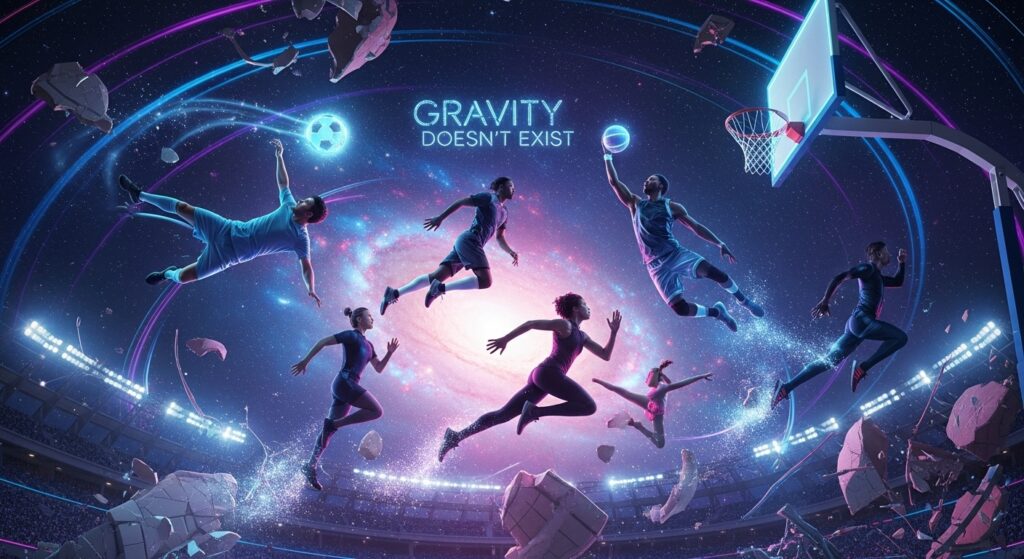
Sports have been an integral part of human civilization since ancient times. They are not merely physical contests or displays of skill but reflections of human endurance, unity, and ambition. Across the world, from the bustling streets of urban cities to remote villages, sports are celebrated as a universal language that transcends cultural, linguistic, and social barriers. They connect people in ways that politics, religion, and even technology often fail to do.
This blog takes you on a comprehensive journey through the world of sports — exploring their origins, their influence on society, the science and psychology behind athletic excellence, and their enduring power to inspire and unite humanity.
The Origins of Sports: From Ancient Rituals to Modern Competitions
The story of sports begins thousands of years ago. In ancient civilizations, sports were not just recreational activities but part of religious and social life. In Greece, the Olympic Games were introduced in 776 BC in honor of Zeus, the king of the gods. These games included running, wrestling, boxing, and chariot racing, symbolizing both physical excellence and divine favor.
In ancient Egypt, athletic contests were often tied to military training. Archery, swimming, and wrestling were essential skills for warriors. Similarly, in ancient China, sports like martial arts, archery, and early forms of soccer known as Cuju were popular among soldiers and nobles alike.
The Mayans and Aztecs in the Americas also had their own traditional ball games, often played with deep spiritual significance. These games sometimes ended in rituals that reflected the cultural beliefs about life, death, and the cosmos.
As societies evolved, so did the purpose and form of sports. By the time of the Roman Empire, gladiatorial contests had become a major form of entertainment. Though brutal by modern standards, they reflected the empire’s fascination with strength, courage, and spectacle.
When the modern era dawned, sports began to shift from religious and survivalist functions to organized competitions and recreational pursuits. The establishment of codified rules, formal organizations, and international tournaments transformed sports into a global cultural phenomenon.
The Evolution of Modern Sports
The 19th and 20th centuries marked the formalization of many sports we recognize today. Football (soccer), cricket, baseball, tennis, and athletics began to take shape under standardized rules. The creation of sports associations, leagues, and governing bodies such as FIFA, the International Olympic Committee, and the International Cricket Council helped professionalize sports and promote global participation.
Technological advancements and globalization have further revolutionized sports. Television and the internet turned athletes into global icons. A match played in one corner of the world could be watched live by millions elsewhere. Sports became not only a matter of local pride but also a global industry worth billions of dollars.
The evolution of sports also mirrored societal progress. Women’s participation in sports, once restricted, grew rapidly during the 20th century. Figures like Billie Jean King, Serena Williams, and Megan Rapinoe redefined what it means to be a female athlete, inspiring countless young women to pursue sports at professional levels.
Today, sports are not limited to traditional fields or arenas. E-sports, or competitive video gaming, have emerged as a legitimate form of athletic competition, drawing millions of fans and players worldwide. Whether physical or digital, the essence of sports — discipline, competition, teamwork, and passion — remains unchanged.
The Social Impact of Sports
Sports have always been a mirror of society. They reflect our values, our struggles, and our aspirations. In many ways, sports have been powerful tools for social change.
During times of political tension, sports have acted as bridges. The concept of “sports diplomacy” has often been used to foster peace and dialogue. One famous example is the “Ping Pong Diplomacy” of the 1970s, when table tennis matches between American and Chinese players helped thaw relations between the two nations.
Sports also play a vital role in promoting equality and inclusivity. The Paralympic Games, for instance, have been instrumental in changing perceptions about people with disabilities. These athletes demonstrate that determination and resilience can overcome physical limitations, inspiring millions worldwide.
Moreover, sports serve as a platform to raise awareness about critical issues such as racism, gender inequality, and mental health. Movements like “Black Lives Matter” found expression on sports fields through symbolic gestures by athletes. The unity displayed in such moments underscores how sports can amplify voices and catalyze societal progress.
At the community level, sports bring people together. They teach teamwork, discipline, and respect. Youth sports programs around the world provide children with a sense of purpose, belonging, and structure. For many underprivileged youths, sports offer a path to education, employment, and a better life.
The Science and Psychology Behind Athletic Excellence
Behind every great performance lies not just physical talent but also science and psychology. Modern sports science has transformed how athletes train, recover, and compete.
Physiology, biomechanics, and nutrition are central to optimizing performance. Athletes undergo rigorous physical conditioning designed to enhance strength, endurance, and agility. Nutrition plans are tailored to specific energy needs, while recovery strategies — including physiotherapy, cryotherapy, and sleep management — ensure sustained performance.
Sports psychology has become equally essential. Mental strength often separates good athletes from great ones. Techniques like visualization, mindfulness, and goal-setting help athletes maintain focus under pressure. The mental aspect of sports is especially evident in high-stakes tournaments where the margin between victory and defeat can be psychological rather than physical.
Athletes such as Michael Jordan, Serena Williams, and Usain Bolt exemplify this mental resilience. Their ability to perform under immense pressure demonstrates the power of confidence and concentration.
Moreover, data analytics and wearable technology have revolutionized sports performance management. Sensors, GPS tracking, and performance analytics enable coaches to monitor every aspect of training and competition. This fusion of technology and human determination is shaping the future of athletic performance.
The Role of Sports in Education and Youth Development
Sports are not just about competition; they are powerful tools for personal growth and education. Schools and universities around the world recognize the importance of physical education in shaping well-rounded individuals.
Participating in sports teaches young people essential life skills such as teamwork, leadership, discipline, and time management. Through wins and losses, they learn resilience and humility. These lessons often extend beyond the field, influencing academic performance and career success.
Sports also promote physical health, reducing the risk of obesity, diabetes, and heart disease. They improve motor skills, coordination, and overall well-being. In an era dominated by digital distractions and sedentary lifestyles, encouraging sports among youth is more important than ever.
Additionally, sports scholarships have become vital avenues for higher education. Talented athletes often earn opportunities to study at prestigious institutions, balancing academic and athletic excellence. For many students, sports serve as both a passion and a pathway to future success.
The Economic Power of Sports
Sports have evolved into a global economic powerhouse. From sponsorships and broadcasting rights to merchandise and tourism, the industry generates trillions of dollars annually. Major sporting events like the FIFA World Cup, the Olympics, and the Super Bowl attract massive investments and viewership, influencing local and global economies.
Athletes today are not just competitors; they are brands. Endorsement deals and social media presence allow athletes to influence fashion, culture, and consumer behavior. Figures like Lionel Messi, LeBron James, and Naomi Osaka represent not only athletic prowess but also global marketing power.
Sports tourism has also flourished. Fans travel across countries to witness their favorite teams or athletes in action, boosting hospitality and transportation sectors. Host cities often experience infrastructure development, job creation, and international exposure.
However, the economic side of sports also brings challenges. Issues like corruption, doping, and commercialization threaten the spirit of fair play. Balancing profit with integrity remains one of the most pressing concerns in modern sports management.
Women in Sports: Breaking Barriers and Redefining Excellence
The journey of women in sports has been one of resilience, determination, and triumph. For centuries, women faced discrimination and exclusion from competitive sports. However, their relentless pursuit of equality has transformed the landscape of athletics.
Trailblazers like Kathrine Switzer, who became the first woman to officially run the Boston Marathon in 1967, and Serena Williams, who dominated tennis for decades, broke stereotypes and opened doors for future generations. The inclusion of more women’s events in the Olympics and the rise of professional leagues in soccer, cricket, and basketball highlight the progress achieved.
Despite these advancements, challenges remain. Pay disparities, media representation, and unequal opportunities continue to affect women athletes. Nevertheless, their growing influence and visibility are reshaping perceptions and inspiring young girls to dream big.
Women’s sports today stand as symbols of empowerment and equality. The fight for recognition continues, but the victories — both on and off the field — have already changed the world.
The Globalization of Sports: A Unifying Force
Sports have the unique ability to unite people across nations and cultures. International competitions foster a spirit of camaraderie and mutual respect among countries. The Olympic Games, for instance, are a celebration of global unity, where athletes from diverse backgrounds come together to compete in the true spirit of sportsmanship.
Globalization has also made sports accessible to wider audiences. Fans in Asia can follow European football clubs, while American basketball has found massive followings in Africa and the Middle East. This interconnectedness has created a shared global sports culture.
However, globalization also presents challenges such as cultural homogenization and the commercialization of local sports traditions. Maintaining a balance between global appeal and cultural authenticity is essential to preserving the diversity of sports.
The Role of Media in Shaping Sports Culture
The media has played a pivotal role in transforming sports into a global phenomenon. From newspapers and radio broadcasts to live television and digital streaming, the way we consume sports has evolved dramatically.
Media coverage elevates athletes into household names and turns matches into global spectacles. Commentators, analysts, and journalists shape narratives that influence public perception and emotional engagement with sports.
Social media, in particular, has revolutionized fan engagement. Athletes can now connect directly with fans, share personal stories, and build their own brands. Platforms like Instagram and X (formerly Twitter) have blurred the line between athletes and audiences, making sports more interactive than ever.
At the same time, the media’s influence comes with responsibility. Sensationalism, biased coverage, and invasion of privacy can distort the true spirit of sports. Ethical journalism and balanced reporting are crucial for maintaining integrity and fairness in sports media.
The Psychology of Fans: Why We Love Sports
The passion of sports fans is unlike any other human emotion. Whether cheering for a hometown team or idolizing a global superstar, fans invest emotionally in the outcome of games. But what drives this deep connection?
Psychologists suggest that fandom fulfills a fundamental human need for belonging. Supporting a team provides a sense of identity and community. Victories bring collective joy, while defeats foster solidarity.
Sports fandom also offers escapism. It allows people to experience drama, suspense, and triumph in real-time. The unpredictability of outcomes keeps fans engaged and emotionally invested.
Moreover, sports evoke powerful emotions that transcend social divides. In moments of victory, entire nations celebrate together, forgetting differences of race, class, or politics. Sports remind us of our shared humanity and collective dreams.
The Future of Sports: Innovation and Sustainability
The future of sports is being shaped by innovation, technology, and a growing awareness of sustainability. Advances in artificial intelligence, virtual reality, and biomechanics are redefining how athletes train and how fans experience sports.
Virtual training environments, smart wearables, and AI-driven performance analysis are enhancing athletic potential. Meanwhile, augmented reality and holographic broadcasts promise to make sports viewing more immersive.
Sustainability has also become a key concern. Major sporting events now prioritize eco-friendly practices such as renewable energy use, waste reduction, and sustainable stadium design. The goal is to ensure that the joy of sports does not come at the expense of the planet.
Inclusivity and accessibility are central to the future as well. Adaptive sports, gender-neutral competitions, and equal representation are reshaping what it means to be an athlete in the modern world.
Conclusion: Sports as the Soul of Humanity
Sports are far more than games. They are expressions of the human spirit — of ambition, struggle, joy, and resilience. They bring people together, teach invaluable lessons, and inspire generations.
From ancient arenas to futuristic stadiums, from local playgrounds to global championships, the essence of sports remains the same: to challenge limits, to celebrate effort, and to unite people in the pursuit of excellence.
In an increasingly divided world, sports continue to remind us that no matter where we come from or what we believe in, we share the same heartbeat when our favorite team scores, when an underdog triumphs, or when a record is broken.
The spirit of sports will endure as long as humanity cherishes competition, cooperation, and courage — qualities that define not only athletes but the human race itself.



More Stories
Beyond the Scoreboard: How Sports Shape Minds, Cultures, and the Future
Beyond the Game: The Transformative Power of Sports in Society
Beyond the Scoreboard: How Sports Shape Minds, Nations, and Everyday Life