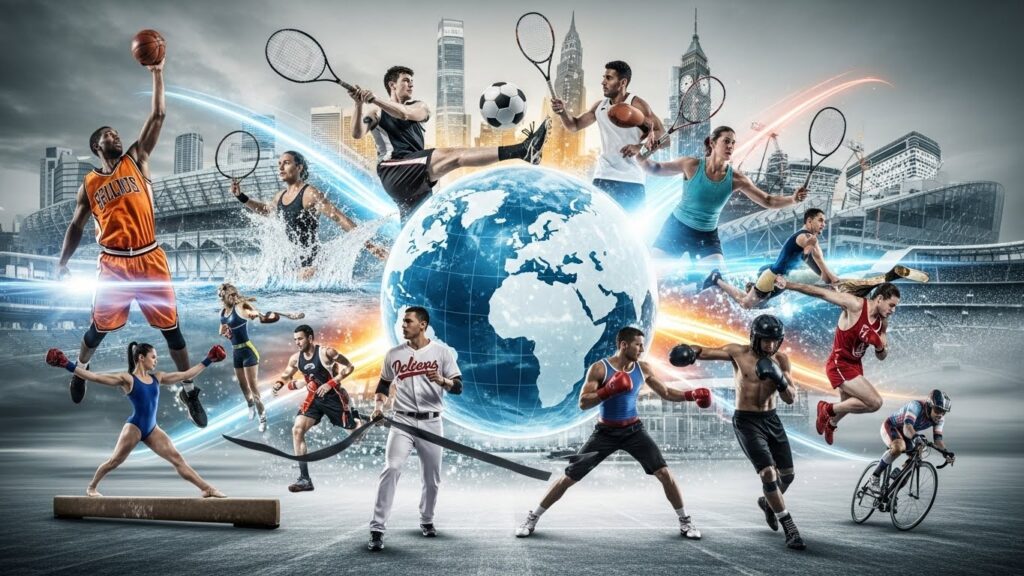
Sports are more than just games. They are an intrinsic part of human culture, a reflection of our passion, our competition, and our collective spirit. From the thrill of a last-minute goal to the quiet concentration before a tennis serve, sports have a way of capturing our hearts and minds. They bring people together, evoke powerful emotions, and have the ability to unite even the most diverse of communities. This blog post delves into the fascinating world of sports, examining why they are so essential to our lives, how they shape our cultures, and what makes them such a compelling force in society.
The Heartbeat of Society: Why Sports Matter
Sports have a universal appeal, cutting across borders, languages, and backgrounds. They have the power to unite people in ways few other things can. Whether it’s a local community coming together to support a neighborhood soccer team or millions of fans tuning in to watch the World Cup, sports have a way of fostering connections that go beyond the game itself.
At their core, sports are about human connection and the pursuit of excellence. They offer a shared experience where individuals—whether players or fans—can bond over a common goal. The joy of cheering for a team, the camaraderie built through shared passion, and the pride in seeing your team succeed are powerful forces that resonate deeply within us.
Sports also serve as a great equalizer. In a world where inequality exists in many forms, sports provide a platform where anyone can rise to greatness. Athletes from all walks of life have the chance to achieve international recognition and success. It’s not just about talent; it’s about hard work, determination, and the belief that anyone, regardless of their background, can achieve greatness on the field.
The Physical and Mental Benefits of Sports
Engaging in sports brings a host of physical benefits that can positively impact your overall health. Regular physical activity is crucial for maintaining a healthy body. Whether it’s running, cycling, swimming, or playing basketball, participating in sports helps strengthen the heart, improve lung capacity, and enhance muscle tone. The physical benefits of sports are not just about aesthetics—they’re about longevity and quality of life.
Moreover, sports are excellent for maintaining mental well-being. Physical activity has been linked to reduced stress, anxiety, and depression. The endorphins released during exercise contribute to feelings of happiness and relaxation. Athletes often speak about the “flow state,” a mental state where concentration is at its peak, and everything seems to fall into place. This state of focus and engagement during sports can be incredibly satisfying and meditative, offering a temporary escape from life’s pressures.
Sports also foster mental toughness. They teach you how to deal with failure, manage pressure, and stay focused under stress. In team sports, individuals learn the value of collaboration and communication. In individual sports, athletes discover the importance of self-discipline and resilience. These lessons are transferable to many other aspects of life, making sports an essential tool for personal development.
Sports as a Vehicle for Social Change
Throughout history, sports have often been at the forefront of social change. Athletes have used their platforms to challenge social injustices, raise awareness for important causes, and inspire movements that have changed the world. One of the most famous examples is the Black Power salute by American sprinters Tommie Smith and John Carlos during the 1968 Olympic Games. Their protest highlighted racial inequality and remains one of the most iconic moments in Olympic history.
The influence of sports extends far beyond individual athletes. Entire sports organizations, leagues, and events have been used to promote equality, challenge oppressive systems, and create dialogue around important societal issues. The participation of female athletes in events like the Women’s World Cup and the increasing representation of minorities in various sports has been instrumental in advancing gender equality and racial diversity.
Sports also play a critical role in fostering peace and diplomacy. Events like the Olympic Games bring together nations from around the world, allowing for friendly competition between countries that might otherwise be at odds politically. The power of sport to bridge divides and foster mutual respect is an important tool in diplomacy and global relations.
The Economic Impact of Sports
The sports industry is a global economic powerhouse, generating billions of dollars each year. From the local level to the professional leagues, sports create significant economic value in terms of revenue, jobs, and tourism. Professional sports leagues like the NFL, NBA, and Premier League drive large-scale investments in stadiums, merchandise, and broadcasting rights. Major sporting events, such as the Super Bowl or the FIFA World Cup, generate massive economic activity, bringing in revenue from ticket sales, sponsorships, media rights, and tourism.
In addition to direct financial gains, sports also have an indirect economic impact. Local sports clubs and recreational leagues help stimulate community involvement and spending. For example, amateur sporting events like marathons and charity soccer tournaments bring participants and spectators together, benefiting local businesses and creating a sense of community pride.
Beyond the immediate economic effects, the sports industry also plays a vital role in advancing technological innovation. From advancements in sports equipment to innovations in broadcasting and data analytics, the sports world often serves as a testing ground for new technologies. The use of instant replay, virtual reality training, and sports performance tracking are just a few examples of how technology is transforming the way we experience sports.
The Psychological Power of Sport: Escapism and Inspiration
For many, sports offer a much-needed escape from the stresses of daily life. Whether it’s watching a game on TV or participating in a match, sports provide a temporary respite from personal challenges and societal pressures. The intensity of a live game, the strategy of a well-played match, and the raw emotion of a comeback victory allow fans to focus entirely on the action and forget about the outside world.
The psychological power of sports is also seen in the role they play in shaping identity. For athletes, sports can serve as a means of self-expression. Through their performance, athletes often reflect their values, culture, and personality. The stories of how athletes overcome adversity, deal with failure, and strive for greatness resonate with fans on a deeply personal level.
Sports are also an excellent source of inspiration. They teach us that success often comes after great challenges. The stories of underdog victories, last-minute goals, and miraculous comebacks are more than just entertainment—they are reflections of human perseverance. Athletes who rise from humble beginnings to achieve greatness provide role models for aspiring individuals. The story of a small-town player who makes it to the professional league serves as a reminder that dreams are achievable, no matter how difficult the journey may seem.
The Role of Technology in Modern Sports
Technology has profoundly changed the way we engage with and experience sports. Advances in equipment, training tools, and analytical methods have enabled athletes to enhance their performance and reduce the risk of injury. For example, innovations in footwear, clothing, and protective gear have significantly improved safety and efficiency for athletes.
In addition to improving the performance of athletes, technology has also transformed the way fans experience sports. With the advent of high-definition broadcasts, streaming services, and virtual reality, fans can now enjoy the thrill of a live game from the comfort of their own homes. Enhanced visual effects, interactive features, and real-time stats have made watching sports more immersive and engaging than ever before.
Data analytics has also become an essential tool in modern sports. Teams and coaches now use advanced data analysis to track player performance, analyze game strategies, and predict outcomes. The ability to monitor metrics such as player movements, reaction times, and even psychological factors allows for more informed decision-making, both on and off the field.
Sports and Youth Development
Sports play a critical role in the development of young people. Beyond the physical benefits, participating in sports can teach kids valuable life skills, such as teamwork, discipline, and leadership. Children who participate in organized sports often develop better social skills, learning how to communicate effectively with their teammates and handle both victory and defeat with grace.
Sports also help children develop a strong sense of self-esteem and confidence. Mastering a skill or achieving a goal in sports boosts a child’s self-worth and motivates them to strive for success in other areas of life. Furthermore, sports can provide a sense of belonging and identity. Being part of a team or community provides kids with a social network and helps them build lasting friendships.
In today’s world, sports also play a role in fostering inclusivity. Many programs and initiatives aim to bring sports to underprivileged or marginalized communities, offering children opportunities that they might not have otherwise had. Whether it’s a local youth soccer league or a national initiative to promote women’s sports, providing access to sports for all kids is essential for creating equal opportunities and promoting social mobility.
Conclusion: Sports as a Timeless Force
Sports are not just games; they are a reflection of who we are as humans. They showcase our competitive spirit, our drive for excellence, and our ability to overcome challenges. Whether we are athletes competing for glory or fans cheering from the sidelines, sports have an incredible power to bring us together, inspire us, and shape our world.
In the future, as sports continue to evolve with the integration of new technologies, global connectivity, and shifting cultural trends, one thing will remain unchanged: the deep-rooted passion that drives us to play, compete, and celebrate. From local leagues to international competitions, sports will continue to be a cornerstone of human culture, embodying the triumph of the human spirit.



More Stories
Beyond the Scoreboard: How Sports Shape Minds, Cultures, and the Future
Beyond the Game: The Transformative Power of Sports in Society
Beyond the Scoreboard: How Sports Shape Minds, Nations, and Everyday Life