Introduction
In the last two decades, the world has witnessed a dramatic rise in esports, transforming video games from a casual pastime into a global competitive industry. Esports, short for electronic sports, refers to organized video game competitions that attract massive audiences and generate substantial revenue. Once dismissed as niche entertainment, esports now stands alongside traditional sports in terms of popularity, sponsorship, and cultural influence. Interestingly, the line between esports and traditional sports is becoming increasingly blurred. From collaborations between esports organizations and major sports leagues to the crossover of athletes into gaming, the integration of these two worlds highlights a unique cultural and economic convergence. This blog explores how esports is blending with traditional sports, shaping the future of competition, entertainment, and fan engagement.
The Rise of Esports as a Global Phenomenon
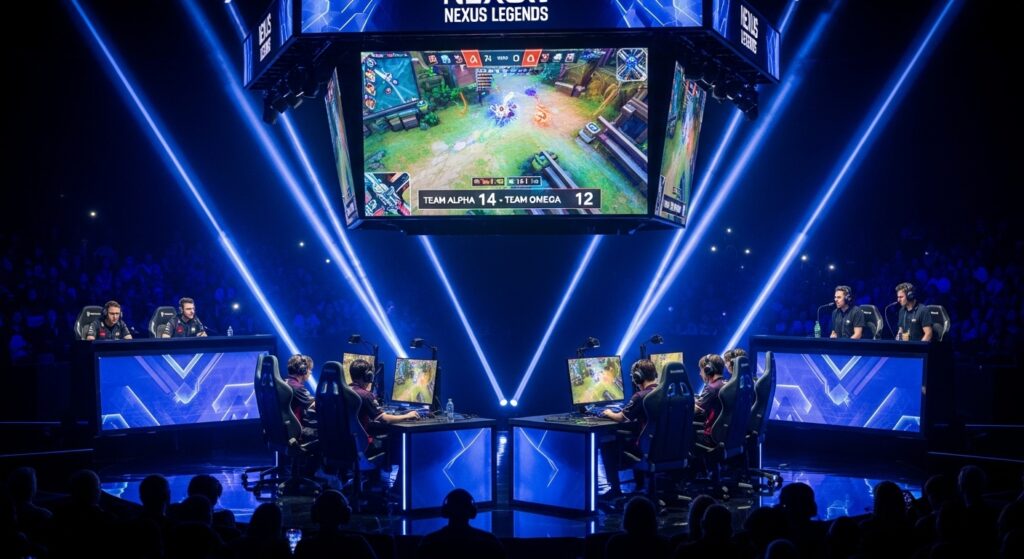
The story of esports is rooted in the early gaming competitions of the 1980s and 1990s. What began as small arcade tournaments gradually evolved into professional competitions with large prize pools and global audiences. The 2000s marked a turning point with the rise of high-speed internet and streaming platforms, allowing millions to watch players compete in games like Counter-Strike, StarCraft, and Dota. By the 2010s, esports had reached mainstream recognition, with sold-out arenas, multi-million-dollar prize pools, and international tournaments rivaling traditional sports events in scale. This growth caught the attention of broadcasters, investors, and traditional sports organizations, laying the groundwork for their eventual collaboration.
Shared Competitive Spirit
At the heart of both esports and traditional sports lies the spirit of competition. While one takes place on a field and the other on a screen, the drive to train, improve, and compete at the highest level unites athletes across both domains. Professional esports players endure grueling training schedules, teamwork drills, and strategic planning similar to their counterparts in football, basketball, or tennis. Both fields emphasize discipline, mental toughness, and performance under pressure. This shared competitive DNA makes blending the two worlds a natural progression rather than a forced connection.
Traditional Sports Organizations Investing in Esports
One of the clearest signs of convergence is the involvement of traditional sports organizations in esports. Major sports teams and leagues around the world have invested in esports franchises or created their own gaming divisions. Football clubs, basketball teams, and even Formula 1 organizations have embraced esports as an extension of their brand. These investments not only tap into a younger, tech-savvy audience but also diversify revenue streams. By aligning with esports, traditional sports organizations remain relevant in a rapidly evolving entertainment landscape while positioning themselves for future growth.
Esports and Traditional Sports Crossover Events
Crossover events between esports and traditional sports have become increasingly common. Virtual competitions that replicate real-world sports allow fans to see athletes competing in digital arenas. For example, footballers, basketball players, and even racing drivers participate in video game tournaments during off-seasons or global events. These crossovers not only promote games but also engage fans in innovative ways. They provide athletes with opportunities to showcase their gaming skills and create memorable moments where the physical and digital worlds intersect.
The Pandemic and the Rise of Virtual Sports
The global pandemic accelerated the blending of esports and traditional sports. With stadiums closed and live events canceled, many sports organizations turned to virtual competitions to maintain fan engagement. Formula 1 launched online races featuring both professional drivers and esports players, while football and basketball stars competed in gaming tournaments broadcast to millions. These events filled the void left by canceled matches and showcased how esports could seamlessly substitute or complement live sports. The success of these virtual competitions highlighted the potential of esports to coexist with traditional sports in the long term.
Athlete Involvement in Esports
Professional athletes from traditional sports are increasingly engaging with esports. Many have invested in esports organizations, launched their own gaming channels, or participated in tournaments. This involvement reflects the personal interest many athletes have in gaming, but it also demonstrates recognition of esports as a legitimate industry. Athletes use gaming to connect with fans, build personal brands, and explore business opportunities. Their crossover into esports not only validates the industry but also strengthens the cultural bridge between the two worlds.
Fan Engagement Across Platforms
Fans are at the center of both esports and traditional sports, and the blending of these domains has created new forms of fan engagement. Unlike traditional sports, where fans primarily consume live broadcasts or attend games, esports thrives on interactive platforms like streaming services. This interactivity is now being incorporated into traditional sports, with athletes streaming their training sessions, engaging in gaming with fans, and using social media to build stronger connections. The integration of esports strategies has redefined how traditional sports organizations think about engaging younger audiences who expect more interactive and digital-first experiences.
Sponsorship and Branding Opportunities
The convergence of esports and traditional sports has opened new opportunities for sponsorship and branding. Companies that once focused solely on sponsoring football teams or basketball leagues now also invest in esports tournaments and gaming influencers. Sponsorship packages often combine exposure in both physical and digital arenas, giving brands access to a broader demographic. Esports appeals strongly to younger generations who may not engage as much with traditional sports, making blended sponsorship strategies particularly valuable. The overlap allows brands to reach consumers at multiple touchpoints, enhancing their visibility and cultural relevance.
Broadcasting and Media Integration
The way sports are broadcast has been transformed by esports. Esports events popularized live streaming platforms and interactive broadcasts long before traditional sports adopted them. Today, traditional sports organizations are learning from esports by incorporating real-time chat, digital overlays, and behind-the-scenes content into broadcasts. The integration of gaming-style coverage has made sports broadcasting more immersive and appealing to younger viewers. Hybrid broadcasts that combine physical matches with digital elements represent the future of sports entertainment, where both esports and traditional sports contribute to the evolution of media experiences.
Esports and Physical Training
While esports is often associated with sedentary activities, the integration with traditional sports has introduced innovative training methods. Athletes use video games and simulations to improve decision-making, strategy, and hand-eye coordination. For example, racing drivers use simulators to practice tracks, while football players use gaming software to analyze plays. Similarly, esports athletes are increasingly adopting physical training regimens to enhance stamina, focus, and reflexes, drawing inspiration from traditional sports. This cross-pollination of training methods reflects the growing synergy between the two fields.
Youth Development and Talent Pathways
Traditional sports and esports are both investing in youth development to ensure long-term sustainability. Academies and grassroots programs are being established not only for physical sports but also for esports. Some sports organizations run parallel training programs for athletes interested in both domains. This blending provides young talent with diverse opportunities to pursue competitive careers, whether on the field or in digital arenas. It also reflects the evolving definition of athleticism in the modern world, where digital skills are increasingly recognized alongside physical prowess.
Esports in Stadiums and Arenas
Another area of integration is the use of sports stadiums and arenas for esports events. Venues that once hosted only football or basketball games now host international esports tournaments, drawing huge crowds. This dual usage maximizes revenue for stadium operators while exposing traditional sports fans to esports culture. Conversely, esports fans attending events in iconic sports venues experience a sense of legitimacy and recognition. The physical spaces of sports have thus become shared cultural landmarks for both physical and digital competitions.
Cultural Acceptance and Mainstream Recognition
Esports has gradually gained mainstream recognition, in part due to its association with traditional sports. When major leagues and respected athletes endorse esports, public perception shifts from seeing gaming as a hobby to recognizing it as a professional pursuit. The blending of the two industries has helped esports overcome skepticism and achieve cultural acceptance. Today, it is not unusual to see esports highlights on sports news channels or esports players featured alongside athletes in marketing campaigns. This cultural integration underscores the legitimacy of esports as part of the global sports ecosystem.
Challenges in Blending Esports and Traditional Sports
Differences in Audiences
While esports and traditional sports share common ground, their audiences are not identical. Esports attracts younger, digitally native fans, while traditional sports often appeal to older generations. Bridging this gap requires careful strategies to avoid alienating either group.
Health and Longevity Concerns
Traditional sports face challenges with physical injuries, while esports grapples with issues like screen fatigue, burnout, and mental health. Combining these worlds means addressing different but equally pressing health concerns for players.
Resistance to Change
Some traditionalists resist the blending of esports and sports, arguing that they are fundamentally different. Overcoming skepticism requires education, exposure, and showcasing the benefits of integration.
Future Trends in the Integration of Esports and Traditional Sports
Virtual and Augmented Reality
The future of this blend will likely involve immersive technologies. Virtual and augmented reality can allow fans to experience both esports and traditional sports in new, interactive ways. Hybrid events may combine real-life matches with virtual simulations.
Esports in the Olympics and Major Sports Events
There is growing debate about including esports in the Olympics or other major sporting events. While controversial, the inclusion would mark the ultimate recognition of esports as part of global sports culture.
Expansion of Crossover Leagues
More hybrid leagues and tournaments will emerge where professional athletes and esports players compete together or against each other in digital arenas. These competitions will further blur the lines between the two worlds.
Conclusion
Esports and traditional sports, once considered separate worlds, are increasingly blending into a unified global culture of competition and entertainment. This integration is fueled by shared values of excellence, teamwork, and fan engagement, as well as technological innovation and commercial opportunity. From athlete investments and crossover events to digital broadcasting and sponsorship strategies, the two industries are shaping each other in profound ways. While challenges remain, the continued blending of esports and traditional sports promises a dynamic future where physical and digital arenas coexist, enriching the experiences of fans and redefining the concept of sports in the modern era.


More Stories
Beyond the Scoreboard: How Sports Shape Minds, Cultures, and the Future
Beyond the Game: The Transformative Power of Sports in Society
Beyond the Scoreboard: How Sports Shape Minds, Nations, and Everyday Life