Introduction: Sports Beyond the Game
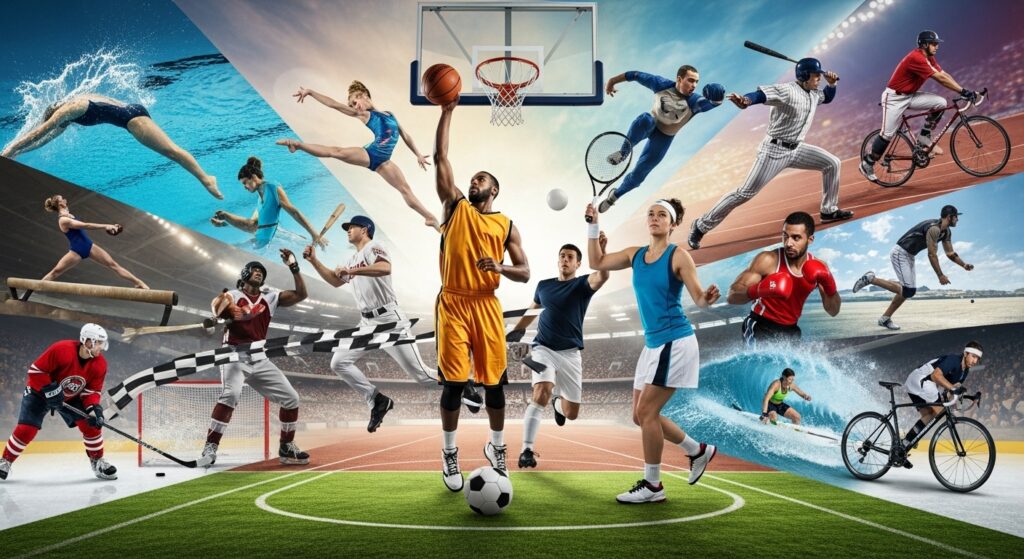
Sports have been an essential part of human life since ancient times. From local village games to international tournaments, they bring people together, test human limits, and teach important life skills. Sports are not just about winning or losing; they are a reflection of human determination, teamwork, and perseverance. They inspire passion, shape character, and influence communities in countless ways. Whether played professionally or recreationally, sports create opportunities for personal growth, social bonding, and cultural expression.
A Brief History of Sports
The history of sports is deeply intertwined with human civilization. Early humans engaged in physical activities such as running, hunting, and wrestling, which helped improve strength and survival skills. As societies evolved, organized sports became a symbol of culture and pride. Ancient Greece celebrated athleticism through the Olympic Games, emphasizing excellence and competition. In the Middle Ages, jousting, archery, and other contests highlighted courage and skill. Over time, sports transformed into structured competitions with standardized rules, leagues, and international recognition. Today, sports have become global phenomena, uniting people across continents and cultures.
The Physical Benefits of Sports
Engaging in sports provides immense physical advantages. Activities like running, swimming, and cycling improve cardiovascular health, endurance, and stamina. Strength-based exercises and team sports such as football and basketball build muscular strength, agility, and flexibility. Regular participation in sports helps prevent chronic illnesses like obesity, heart disease, and diabetes. For children, sports promote proper growth, improve motor skills, and establish healthy habits for life. For adults, they maintain energy levels, improve posture, and enhance overall fitness. Even seniors can benefit from sports by improving balance, coordination, and mobility, contributing to a longer and healthier life.
Mental and Emotional Advantages
Sports are as much a mental exercise as a physical one. They release endorphins, which improve mood and reduce stress levels. Athletes learn discipline, focus, and patience through consistent training. They develop resilience by facing challenges and setbacks, learning to handle both victories and defeats gracefully. Team sports encourage communication and cooperation, while individual sports foster self-reliance and confidence. Engaging in sports regularly enhances concentration, mental clarity, and emotional well-being, making it a holistic approach to personal development.
Sports as a Teacher of Character
Participation in sports instills values and strengthens character. Athletes learn responsibility, integrity, and ethical behavior. Sports emphasize the importance of effort, commitment, and perseverance. They teach the significance of teamwork, respect for opponents, and fairness. Players develop leadership skills, strategic thinking, and decision-making abilities. Overcoming challenges on the field translates into real-life lessons, shaping individuals into disciplined and resilient members of society. The lessons learned in sports often last a lifetime and influence personal and professional growth.
The Role of Teamwork and Collaboration
Team sports demonstrate the power of unity and collaboration. Each player has a unique role, but success depends on effective coordination and communication. Learning to work as a cohesive unit builds trust, empathy, and mutual respect. Even in individual sports, athletes rely on coaches, trainers, and support staff to achieve their goals. The skills gained through teamwork in sports are transferable to workplaces, communities, and personal relationships. Collaboration in sports highlights the importance of shared effort and collective achievement.
Sports as a Cultural Force
Sports are deeply connected to culture and tradition. They reflect societal values, celebrate achievements, and create a sense of belonging. Festivals, tournaments, and local games showcase cultural identity and heritage. International competitions, such as the Olympics and World Cups, unite nations, promoting understanding and camaraderie among diverse populations. Sports serve as a platform for expressing creativity, pride, and social solidarity. They bring people together across boundaries, creating shared experiences and fostering global unity.
Economic Impact of Sports
Sports play a significant role in the global economy. Professional leagues, tournaments, and merchandising generate billions of dollars annually. Sports create jobs in coaching, management, marketing, media, and healthcare. Infrastructure development for stadiums, training facilities, and sporting events stimulates local economies. Community programs and recreational sports contribute to small businesses and tourism. Additionally, emerging digital sports, such as esports, have created new revenue streams and opportunities. Sports are not only a source of entertainment but also an important economic driver worldwide.
Youth Development Through Sports
For young people, sports provide opportunities for growth and development. Children and teenagers learn discipline, time management, and goal-setting through participation in sports. They develop social skills, teamwork, and leadership qualities. Sports encourage self-confidence, problem-solving, and resilience. Youth programs and school sports provide safe environments for physical activity and personal growth. These experiences help children establish positive habits, make healthier choices, and prepare for adult responsibilities. Sports nurture not only athletic talent but also well-rounded, capable individuals.
Women in Sports: Breaking Barriers
The participation of women in sports has significantly increased over the years, breaking social and cultural barriers. Female athletes inspire millions by achieving excellence, setting records, and challenging stereotypes. Women’s sports promote gender equality, empowerment, and leadership. Opportunities in competitive sports help women gain recognition, education, and professional advancement. Female representation in sports encourages young girls to pursue athletic endeavors and reinforces the belief that talent, dedication, and hard work are not limited by gender. Women in sports continue to redefine societal expectations and pave the way for future generations.
Sports as a Catalyst for Social Change
Sports can create meaningful social impact. They promote inclusivity, diversity, and community engagement. Initiatives that use sports to empower underprivileged youth improve confidence, provide mentorship, and create positive role models. Athletes often advocate for social justice and equality, using their visibility to inspire change. Adaptive sports programs demonstrate that physical challenges do not limit human potential. By encouraging participation and fostering opportunities for marginalized communities, sports become a tool for social transformation, unity, and empowerment.
The Role of Technology in Modern Sports
Technology has transformed the landscape of sports. Wearable devices, tracking apps, and performance analytics help athletes optimize training, prevent injuries, and monitor progress. Instant replay and video analysis ensure fairness and improve strategy. Virtual reality and simulation training allow immersive experiences for athletes and fans alike. Digital platforms, streaming services, and esports have broadened the reach of sports, creating global communities and new ways to engage. Technology continues to innovate sports, enhancing performance, accessibility, and fan experiences.
Fan Culture and Emotional Connection
Fans are the lifeblood of sports. Their passion, loyalty, and engagement create vibrant atmospheres and unforgettable experiences. Supporting a team fosters identity, pride, and a sense of belonging. Fans celebrate victories, endure defeats, and connect through shared emotions. Stadiums and arenas become hubs of community spirit, and even casual viewing at home fosters family traditions and social bonding. The emotional connection between fans and sports strengthens human relationships and illustrates the deep cultural significance of athletic competition.
Global Influence and Unity Through Sports
Sports transcend borders and bring people together in unique ways. International events foster diplomacy, cross-cultural understanding, and global camaraderie. Competitions like the Olympics or World Cup highlight shared humanity, talent, and achievement. Sports encourage cooperation, respect, and friendship between nations and cultures. They provide a universal language that celebrates excellence, perseverance, and fair competition. By connecting people worldwide, sports promote unity and shared joy that surpass political, cultural, and social divides.
Conclusion: The Timeless Impact of Sports
Sports are more than games; they are a vital part of human life. They build physical fitness, mental resilience, character, and social connections. They foster teamwork, leadership, cultural understanding, and economic development. Sports inspire youth, empower women, drive social change, and unite communities. They challenge individuals to push beyond limits, embrace discipline, and celebrate achievement. Whether played casually, professionally, or virtually, sports remain a powerful force in shaping lives, communities, and societies. The lessons and experiences derived from sports endure, proving that the spirit of competition, teamwork, and passion will always hold a timeless place in human history.



More Stories
Beyond the Scoreboard: How Sports Shape Minds, Cultures, and the Future
Beyond the Game: The Transformative Power of Sports in Society
Beyond the Scoreboard: How Sports Shape Minds, Nations, and Everyday Life