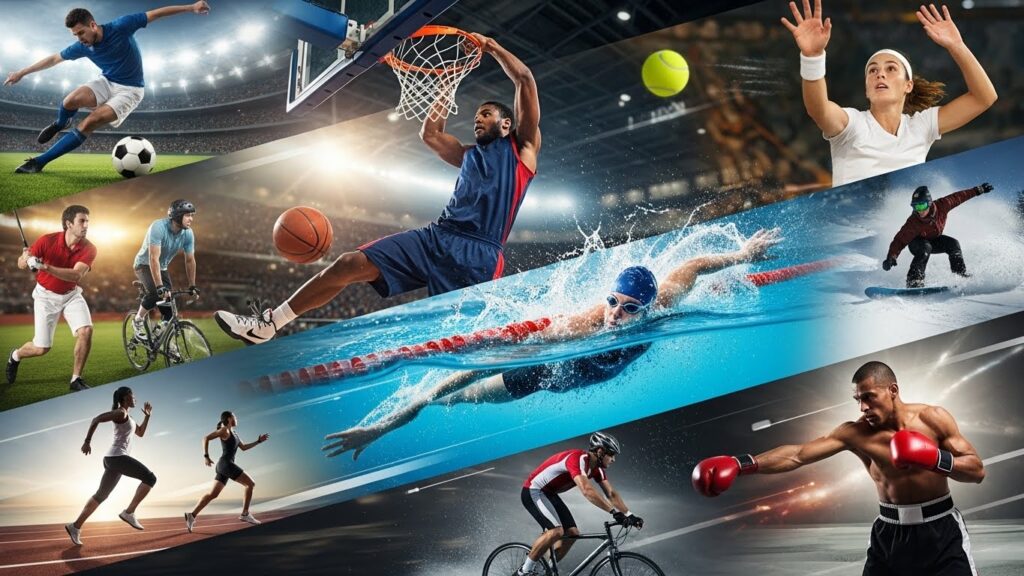
Sports have been an integral part of human civilization for centuries. From ancient competitions in Greece to the rise of modern professional leagues, sports have transcended mere entertainment to become a vital component of personal growth, community building, and global culture. The influence of sports goes far beyond the scoreboard, touching mental health, social dynamics, education, and even economic development. In this article, we explore the multifaceted impact of sports on individuals and societies, examining why participation and engagement in athletic activities remain essential in the modern world.
The Evolution of Sports Through History
The origins of organized sports can be traced back to ancient civilizations. In ancient Greece, the Olympic Games were more than a test of physical skill; they were a celebration of human potential and a unifying cultural event. Similarly, ancient China, Egypt, and Mesopotamia developed their own competitive games that were often intertwined with religious rituals or military training. These early examples show that sports have always had dual purposes: entertainment and societal cohesion.
As time progressed, sports evolved into organized competitions with standardized rules and structures. In medieval Europe, tournaments and jousts were not just for spectacle but also for training knights in combat skills. The Industrial Revolution brought about significant changes, with urbanization and improved transportation facilitating the growth of modern team sports. Football, cricket, basketball, and baseball emerged during this period, setting the foundation for contemporary professional leagues. Understanding this historical evolution helps us appreciate how sports have shaped human culture and social organization.
Physical Benefits of Sports
The most obvious impact of sports is on physical health. Regular participation in sports improves cardiovascular fitness, strengthens muscles, and enhances flexibility. Engaging in athletic activities reduces the risk of chronic illnesses such as diabetes, obesity, and hypertension. For children and adolescents, sports are critical for developing motor skills, coordination, and overall physical development.
Moreover, sports encourage a lifestyle of regular exercise, instilling habits that often last into adulthood. Unlike gym workouts, sports provide a fun, interactive, and social environment, making fitness more sustainable. Endurance sports, like running or swimming, improve stamina, while team sports, such as football or basketball, promote agility, coordination, and strategic thinking. Physical health benefits alone justify the integration of sports into daily routines, but the advantages extend far beyond the body.
Mental Health and Cognitive Advantages
Sports have a profound impact on mental well-being. Participation in athletic activities has been linked to reduced stress, anxiety, and depression. Physical activity stimulates the production of endorphins, neurotransmitters responsible for feelings of happiness and relaxation. Regular engagement in sports creates a natural outlet for releasing tension and emotional stress, improving overall mood and resilience.
Cognitive benefits are equally significant. Many sports require strategy, quick decision-making, and problem-solving, enhancing brain function and mental agility. Studies show that children who actively participate in sports often perform better academically due to improved focus, discipline, and time management skills. For adults, sports can act as a form of mental training, enhancing memory, reaction time, and critical thinking abilities. In an increasingly stressful world, sports provide a natural and effective way to strengthen both body and mind.
Social and Community Impact
Sports are not only individual experiences; they are powerful tools for social connection. Team sports foster collaboration, communication, and leadership skills. Players learn how to trust one another, work toward a common goal, and navigate conflicts constructively. These interpersonal skills often translate into professional and personal settings, making sports a valuable training ground for life.
At the community level, sports unite people across cultural, social, and economic boundaries. Local leagues, school competitions, and neighborhood tournaments create a sense of belonging and shared identity. Major sporting events, like international championships, can inspire national pride and promote cultural exchange. Communities that embrace sports often witness lower crime rates, improved youth engagement, and increased civic participation. The social power of sports is undeniable, offering connections and experiences that transcend individual achievement.
Sports as a Catalyst for Character Development
Engaging in sports teaches resilience, discipline, and perseverance. Athletes face challenges, failures, and setbacks regularly, and learning to navigate these experiences builds character. The principles of fair play, respect for opponents, and adherence to rules foster ethical behavior and integrity. Sports also encourage goal setting, time management, and self-motivation, skills that are invaluable in all aspects of life.
Moreover, sports provide lessons in leadership and accountability. Team captains and leaders learn how to inspire, motivate, and support others, while individual athletes cultivate self-reliance and determination. These character traits, developed through sports, often extend far beyond the playing field, influencing careers, relationships, and personal growth.
Gender and Sports: Breaking Barriers
Historically, sports were male-dominated arenas, with women facing limited opportunities and societal resistance. Over the past century, however, women have increasingly claimed their space in sports, challenging stereotypes and inspiring future generations. The rise of women’s professional leagues, international competitions, and grassroots initiatives has highlighted the importance of inclusivity in sports.
Promoting gender equality in sports benefits society as a whole. It empowers women, fosters diverse role models, and encourages participation across all demographics. Sports also challenge societal norms, proving that talent, dedication, and passion are not confined by gender. Breaking these barriers strengthens communities and demonstrates that the values of sports—discipline, teamwork, and perseverance—are universal.
Economic Significance of Sports
Beyond personal and social benefits, sports have a substantial economic impact. Professional leagues, tournaments, and sports-related industries generate employment, revenue, and investment opportunities. Stadiums, merchandise, media coverage, and sponsorship deals contribute significantly to local and global economies.
Grassroots sports programs also play an economic role. They provide opportunities for youth engagement, reduce social costs associated with crime and health issues, and cultivate future talent that can become professional athletes or industry professionals. Sports, therefore, are not merely recreational; they are vital contributors to economic growth and societal development.
The Role of Technology in Modern Sports
Technology has revolutionized the way sports are played, viewed, and managed. Advanced analytics, wearable devices, and performance tracking systems enable athletes to optimize training, prevent injuries, and achieve peak performance. Video replay systems ensure fairness and accuracy in competitions, while virtual reality and esports are creating entirely new dimensions of athletic engagement.
Moreover, technology has made sports more accessible to fans worldwide. Streaming platforms, social media, and interactive applications allow fans to follow games, engage with athletes, and participate in global communities. The integration of technology not only enhances performance but also strengthens the connection between athletes and audiences, making sports a truly global phenomenon.
Sports as a Tool for Global Diplomacy
Sports possess a unique ability to transcend cultural and political barriers. International competitions, such as the Olympics or World Cups, bring together nations in a celebration of talent, unity, and sportsmanship. These events often serve as platforms for diplomacy, fostering dialogue and cooperation between countries.
Sports can also raise awareness of social issues and inspire humanitarian initiatives. Campaigns against discrimination, inequality, and environmental challenges often use sports as a vehicle to reach global audiences. In this way, sports are not just games—they are instruments of positive change on a global scale.
Conclusion: Embracing the Spirit of Sports
The world of sports is far more than a series of games, competitions, or records. It is a reflection of human potential, resilience, and creativity. From promoting physical health and mental well-being to fostering social cohesion and economic growth, sports touch nearly every aspect of human life. They teach invaluable lessons in teamwork, discipline, and perseverance, while breaking barriers and inspiring generations.
In embracing sports, we embrace a culture of growth, inclusivity, and shared experience. Whether as an athlete, a fan, or a community member, engaging with sports enriches life in ways that extend far beyond the playing field. Beyond the scoreboard, sports are a celebration of what it means to strive, connect, and flourish as human beings.



More Stories
Beyond the Scoreboard: How Sports Shape Minds, Cultures, and the Future
Beyond the Game: The Transformative Power of Sports in Society
Beyond the Scoreboard: How Sports Shape Minds, Nations, and Everyday Life