
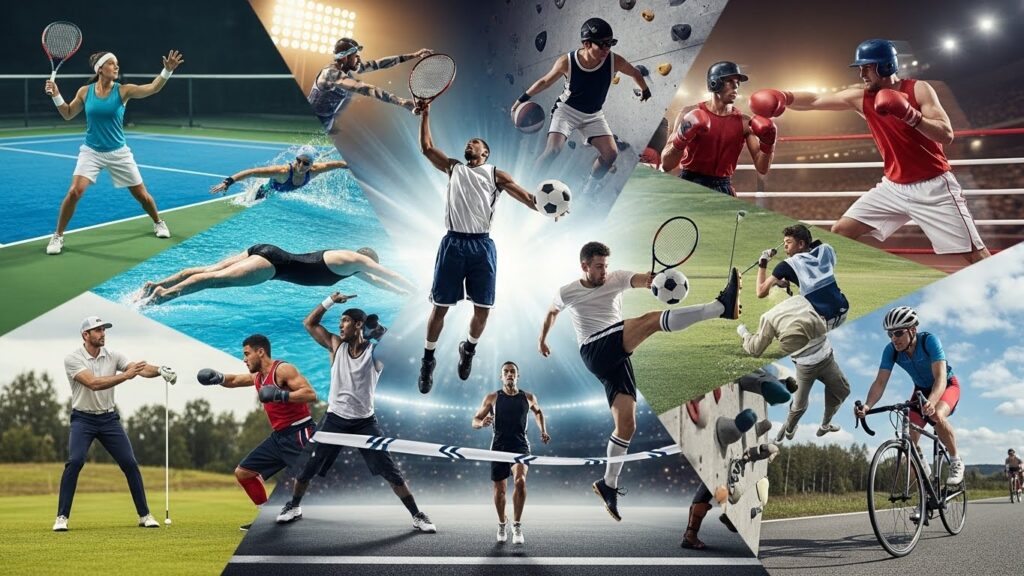
Sports have long been more than just games played on fields or courts. They are cultural phenomena, shaping societies, fostering personal growth, and inspiring millions around the world. From the roar of a stadium packed with fans to the quiet determination of an athlete training alone, sports touch every aspect of human life. This blog explores the multifaceted impact of sports, examining their social, psychological, and physical significance.
The Universal Language of Sports
One of the most remarkable aspects of sports is their ability to transcend boundaries. Regardless of language, nationality, or cultural background, sports have a universal appeal. The excitement of a last-minute goal in soccer, the tension of a decisive basketball free throw, or the precision of a gymnast’s routine can be understood and appreciated globally.
This universality fosters global connections. International tournaments like the Olympics or the FIFA World Cup bring together people from all corners of the globe. Fans share emotions, celebrate victories, and empathize with defeats, creating a sense of global unity. Sports serve as a reminder that despite differences in culture or ideology, humans share common passions and aspirations.
The Social Impact of Sports
Sports are deeply intertwined with society. They serve as platforms for social interaction, community building, and even activism. Local sports clubs and teams bring communities together, offering a space for social engagement, mentorship, and camaraderie. Children and teenagers develop not only athletic skills but also interpersonal skills, learning how to cooperate, communicate, and handle competition constructively.
Moreover, sports often act as catalysts for social change. Throughout history, athletes have used their platform to address social injustices and inspire movements. Figures such as Muhammad Ali and Billie Jean King did more than just excel in their respective sports; they challenged societal norms, fought for equality, and influenced policy. Modern athletes continue this tradition, demonstrating that sports can be a powerful tool for societal transformation.
Physical Benefits of Engaging in Sports
The physical advantages of participating in sports are well-documented. Regular engagement in physical activity strengthens the cardiovascular system, enhances muscular strength, improves flexibility, and supports mental health. Sports like swimming, running, or cycling improve endurance, while activities such as gymnastics or yoga enhance balance and coordination.
Additionally, sports help combat lifestyle-related health issues. In an era where sedentary behavior and unhealthy diets are common, consistent participation in sports can prevent obesity, diabetes, and heart disease. Beyond these benefits, sports also foster long-term healthy habits. Individuals who are active from a young age often maintain fitness routines into adulthood, promoting longevity and a higher quality of life.
Psychological and Emotional Advantages
Sports contribute significantly to mental and emotional well-being. Engaging in physical activity releases endorphins, natural chemicals in the brain that reduce stress and promote happiness. This phenomenon, often referred to as the “runner’s high,” demonstrates the powerful connection between physical activity and emotional regulation.
Beyond chemical benefits, sports cultivate discipline, resilience, and goal-setting. Athletes learn to handle wins and losses with grace, persist through challenges, and focus on continuous improvement. These lessons extend beyond the field, equipping individuals to manage pressures in personal and professional life. Furthermore, team sports nurture a sense of belonging, reducing feelings of isolation and fostering mental well-being.
The Role of Sports in Education
Sports and education have a symbiotic relationship. Schools and universities increasingly recognize the importance of integrating sports into their curricula, understanding that athletic participation promotes cognitive, social, and emotional growth. Students involved in sports often display higher academic performance, better time management, and enhanced leadership abilities.
Athletics teach invaluable life skills. Young people learn to set goals, strategize, collaborate, and persevere. Competitive environments, when guided appropriately, encourage students to push beyond perceived limits, instilling confidence and self-belief. In essence, sports prepare students not only for competitions but for life itself.
Economic Impact of Sports
Beyond personal and social benefits, sports have a profound economic influence. Professional leagues, tournaments, and events generate significant revenue through ticket sales, merchandising, broadcasting, and sponsorship deals. Cities and countries hosting major events experience economic boosts, with tourism, infrastructure development, and job creation benefiting the local economy.
Sports also drive innovation and entrepreneurship. From developing performance-enhancing gear to creating advanced training technologies, the sports industry fuels economic growth and technological advancement. Even at a grassroots level, local clubs, fitness centers, and sporting goods stores contribute to community economies, demonstrating that sports are as much an economic engine as they are a cultural phenomenon.
Women in Sports: Breaking Barriers
The evolution of women’s sports highlights the transformative power of determination and equality. Historically marginalized and underrepresented, women have fought tirelessly to secure recognition and opportunities in athletics. Today, female athletes are achieving remarkable feats, shattering records, and inspiring generations.
The growth of women’s sports has societal implications beyond the field. Increased visibility challenges gender stereotypes, promotes inclusivity, and encourages young girls to pursue their passions. Role models in sports empower women worldwide, emphasizing that talent, dedication, and resilience know no gender boundaries. Continued investment in women’s athletics ensures that future generations inherit an equitable and inspiring sports landscape.
Technology and the Modern Athlete
Technology has revolutionized sports, altering how athletes train, compete, and recover. Advanced wearable devices track heart rate, sleep patterns, and movement efficiency, allowing personalized training regimens. Video analysis and artificial intelligence provide insights into performance, strategy, and biomechanics. Even in fan engagement, virtual reality, augmented reality, and digital broadcasting create immersive experiences that connect global audiences to their favorite sports like never before.
Moreover, technology contributes to safety and fairness. Innovations such as concussion-detection helmets, performance monitoring, and instant replay systems protect athletes and ensure just outcomes. While technology continues to advance, the essence of sports—a contest of skill, strategy, and determination—remains intact.
The Lifelong Lessons Sports Teach
Perhaps the most enduring value of sports lies in the lessons they impart. Participation teaches resilience, adaptability, patience, and leadership. Success is celebrated, but failure is equally educational, shaping character and nurturing growth. Teamwork, respect for opponents, and ethical conduct become ingrained principles that athletes carry throughout life.
Sports also cultivate a sense of purpose and passion. They inspire dreams, drive individuals to exceed limits, and foster a lifelong commitment to self-improvement. These lessons extend beyond physical arenas, influencing careers, relationships, and personal development in profound ways.
The Future of Sports
The future of sports promises both continuity and transformation. As societies evolve, sports will continue to reflect cultural values, social dynamics, and technological advancements. Emerging trends such as esports, adaptive sports for differently-abled athletes, and sustainability initiatives indicate that sports are embracing inclusivity and innovation.
Moreover, global connectivity and media will further expand the reach and influence of sports. Fans will engage with athletes and teams in more interactive and immersive ways, creating communities that transcend geography. While the playing fields may change, the human fascination with competition, achievement, and shared experience ensures that sports will remain an integral part of our lives.
Conclusion
Sports are far more than competitions or entertainment; they are a mirror of human potential and a catalyst for personal, social, and cultural growth. They teach resilience, foster unity, promote health, and inspire innovation. Whether on the field, in the gym, or through the lens of a global audience, sports influence how we live, interact, and dream.
In a world that often feels divided, sports remind us of the values that unite us: dedication, fairness, passion, and the relentless pursuit of excellence. Beyond the scoreboard, the true victory of sports lies in the way they shape lives, build communities, and reflect the very best of humanity.




More Stories
Beyond the Scoreboard: How Sports Shape Minds, Cultures, and the Future
Beyond the Game: The Transformative Power of Sports in Society
Beyond the Scoreboard: How Sports Shape Minds, Nations, and Everyday Life