
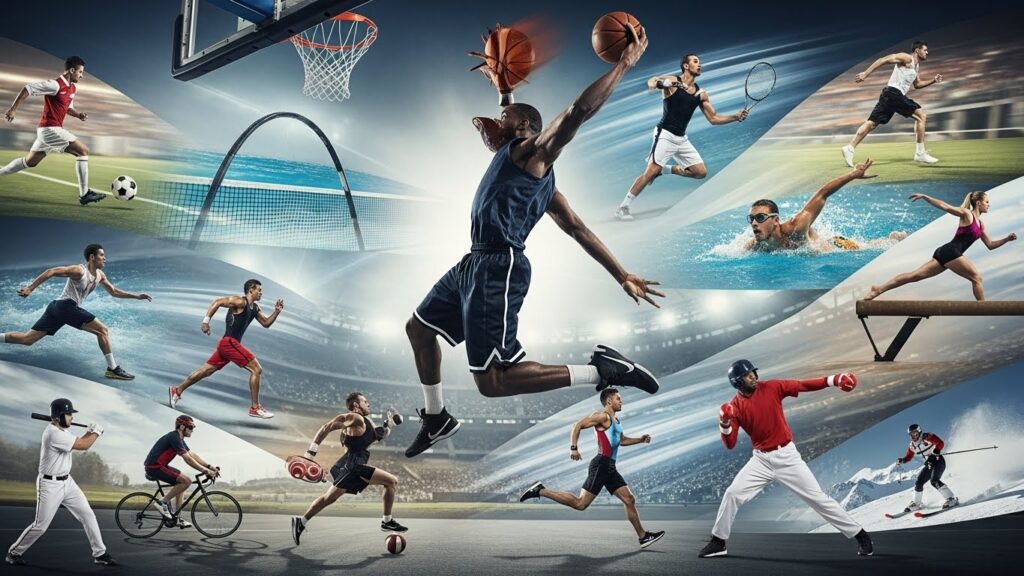
Sports have always been more than just a game. From the roar of stadiums filled with passionate fans to the quiet moments of personal triumph, sports touch every corner of our lives. They are not just about scores, records, or trophies; they embody resilience, teamwork, strategy, and the human spirit. In this blog, we will explore how sports shape society, influence culture, and inspire individuals in ways far beyond the field.
The Universal Language of Sports
One of the most remarkable aspects of sports is their universality. Regardless of language, nationality, or age, sports are understood and celebrated worldwide. Soccer in Brazil, cricket in India, basketball in the United States—each carries its cultural significance, yet they all share a common thread: they unite people. In communities where differences might otherwise divide, sports become a bridge. Neighborhoods rally behind local teams, nations celebrate international victories, and individuals find common ground in their love for the game.
This universality also highlights sports as a tool for diplomacy. Friendly matches between countries often ease tensions and foster goodwill, showing that even in moments of conflict, sports can remind us of our shared humanity.
Physical Benefits: Strengthening the Body
The most obvious impact of sports is on physical health. Regular participation in sports improves cardiovascular health, builds muscle strength, enhances flexibility, and boosts endurance. Sports demand movement, coordination, and balance, all of which are essential for a healthy body. Activities such as running, swimming, or cycling help maintain a healthy weight, while sports like tennis or basketball improve agility and reflexes.
Beyond the physical, sports also contribute to long-term health habits. Children who grow up playing sports are more likely to maintain active lifestyles as adults. They develop routines of exercise and discipline that protect against lifestyle diseases such as obesity, diabetes, and heart conditions.
Mental Benefits: Sharpening the Mind
While the physical advantages are clear, the mental benefits of sports are equally profound. Engaging in sports requires focus, strategic thinking, and quick decision-making. Athletes often need to anticipate opponents’ moves, adapt to changing circumstances, and remain calm under pressure. These mental skills extend beyond the playing field, helping individuals navigate complex situations in everyday life.
Sports also play a critical role in managing stress and mental health. Physical activity releases endorphins, chemicals in the brain that act as natural mood lifters. Participation in sports can reduce anxiety, combat depression, and improve overall emotional well-being. Moreover, the sense of achievement from meeting personal or team goals fosters confidence and resilience.
Teamwork and Leadership: Life Lessons on the Field
Sports are not just about individual excellence; they are about collaboration. Whether on a soccer pitch, a basketball court, or a rowing crew, teamwork is essential. Athletes learn how to communicate effectively, trust their teammates, and work toward a common objective. These skills translate seamlessly into professional and personal life, where collaboration and communication are often the keys to success.
Leadership is another important lesson sports teach. Captains, coaches, and senior players model leadership behaviors, inspiring others and guiding teams through challenges. Even without formal titles, athletes learn to take initiative, make decisions, and influence others positively.
Sports as a Platform for Social Change
Sports have long been a catalyst for social change. Historically, athletes have used their visibility to challenge injustice, promote equality, and raise awareness about pressing social issues. From breaking racial barriers to advocating for gender equality, sports have provided a stage where important societal conversations can unfold. Icons like Jackie Robinson, Billie Jean King, and Muhammad Ali demonstrated that sports can be a vehicle for progress, proving that the influence of athletes extends far beyond the field.
Moreover, sports initiatives often support marginalized communities. Programs that provide access to sports for underprivileged youth help cultivate confidence, discipline, and a sense of belonging, empowering future generations.
Cultural Significance: Celebrating Identity and Tradition
Sports are deeply intertwined with culture and tradition. Events like the Olympics, the World Cup, and regional tournaments are celebrated globally and locally with fervor. These events are not merely competitions; they are cultural phenomena that showcase national pride, historical legacies, and artistic expression. Traditional sports, such as sumo wrestling in Japan or kabaddi in India, preserve cultural heritage and offer a window into local histories and customs.
Through sports, people celebrate their identity while also appreciating diversity. Spectators experience a sense of shared emotion, as victories and defeats create collective memories that transcend individual experiences.
The Role of Technology in Modern Sports
Technology has revolutionized the way we play, watch, and analyze sports. From wearable devices that track performance to sophisticated data analytics used by professional teams, technology enhances athletic performance and fan engagement. Video analysis helps athletes refine techniques, while virtual reality offers immersive training experiences. On the spectator side, live streaming, instant replays, and interactive platforms bring fans closer to the action than ever before.
While technology has its critics, it undeniably makes sports more dynamic and accessible, fostering a deeper connection between athletes and fans.
The Inspiring Stories Behind the Athletes
Perhaps the most compelling aspect of sports is the human story. Every athlete has a journey filled with challenges, sacrifices, and triumphs. Some overcome physical limitations, financial hardships, or social obstacles to achieve greatness. These stories inspire fans, offering lessons in perseverance, discipline, and determination.
Sports heroes often serve as role models, motivating young athletes to pursue their dreams. Beyond medals and titles, it is the story of effort, resilience, and personal growth that leaves the most lasting impact.
Sports for All Ages: Lifelong Engagement
One of the beautiful qualities of sports is that they are accessible to people of all ages. Children benefit from learning coordination and teamwork, young adults develop discipline and competitive spirit, and older adults gain health and social interaction. Recreational sports, community leagues, and casual games ensure that sports remain an inclusive and lifelong activity. This broad accessibility reinforces the notion that sports are not just for professional athletes; they are for everyone, at every stage of life.
Conclusion: Sports as a Reflection of Life
At its core, sports mirror life itself. They teach us how to handle victory and defeat, how to collaborate with others, and how to push our limits. They are a microcosm of society, reflecting values, challenges, and aspirations. From the physical benefits to the social and cultural significance, sports impact individuals and communities in profound ways.
Engaging in sports is not just a hobby; it is an investment in oneself and society. The lessons learned on the field—resilience, teamwork, leadership, and perseverance—extend far beyond the game. As we celebrate the excitement of competition and the thrill of achievement, we also acknowledge the deeper role sports play in shaping who we are and how we connect with the world. In the end, sports remind us that, beyond the scoreboards and trophies, the true victory lies in growth, unity, and the enduring spirit of human endeavor.




More Stories
Beyond the Scoreboard: How Sports Shape Minds, Cultures, and the Future
Beyond the Game: The Transformative Power of Sports in Society
Beyond the Scoreboard: How Sports Shape Minds, Nations, and Everyday Life