
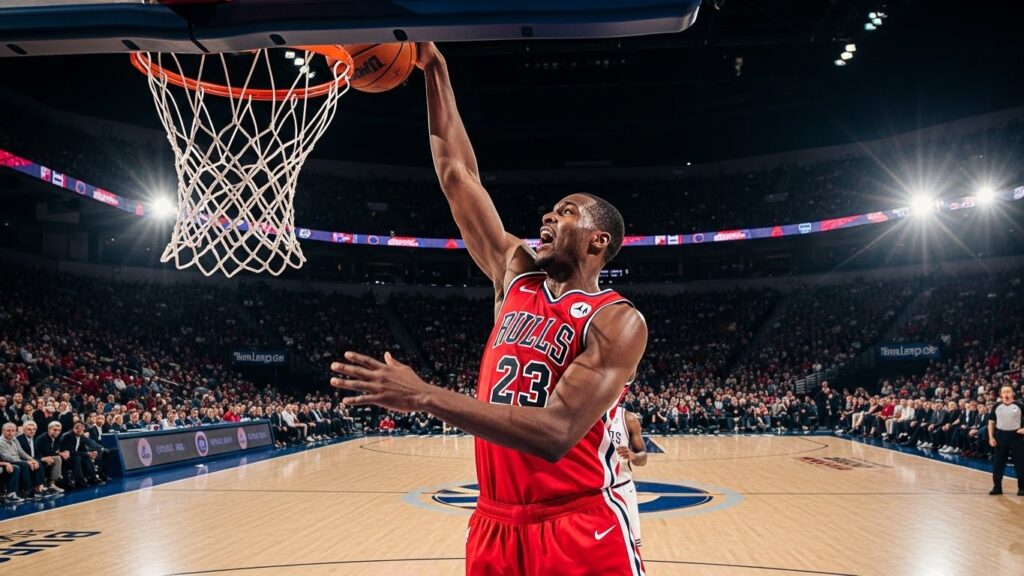
Introduction: More Than Just a Game
Sports have been a fundamental part of human civilization for centuries, transcending borders, languages, and cultures. From ancient Olympic competitions to modern global leagues, sports provide more than entertainment; they inspire, unite, and challenge individuals to achieve their highest potential. Whether played professionally, recreationally, or at a community level, sports instill values such as discipline, teamwork, perseverance, and resilience. In today’s fast-paced world, the significance of sports extends beyond physical activity, shaping societies, economies, and personal lives in profound ways.
The Historical Roots of Sports
The history of sports dates back thousands of years. Ancient civilizations such as the Greeks, Egyptians, and Chinese developed competitive games for religious, social, and military purposes. The Olympic Games, first held in Greece over 2,700 years ago, celebrated physical excellence, honor, and fair competition. Medieval Europe saw the emergence of tournaments, jousting, and folk games that encouraged community participation. These historical foundations reflect humanity’s enduring fascination with physical skill, competition, and achievement, laying the groundwork for the sports we enjoy today.
The Physical and Mental Benefits of Sports
Engaging in sports promotes both physical and mental well-being. Regular physical activity strengthens muscles, improves cardiovascular health, and enhances flexibility and coordination. Beyond the body, sports nurture mental resilience by teaching focus, stress management, and goal-setting. Athletes learn to cope with pressure, embrace failure as a learning opportunity, and cultivate patience and persistence. Sports participation also reduces anxiety, boosts mood through endorphin release, and fosters a sense of accomplishment, making it a holistic approach to personal growth and well-being.
Team Sports vs Individual Sports
Sports can broadly be divided into team-based and individual-based activities, each offering distinct benefits. Team sports like soccer, basketball, and volleyball emphasize collaboration, communication, and shared responsibility. Players learn to coordinate strategies, support teammates, and navigate group dynamics. Individual sports such as tennis, gymnastics, or track and field focus on personal discipline, self-motivation, and accountability. Both types of sports develop critical life skills; team sports encourage interpersonal growth, while individual sports foster self-reliance and personal excellence. The choice between the two often depends on personality, preference, and long-term goals.
The Role of Sports in Education
Sports play a crucial role in educational systems around the world. Schools and colleges provide structured platforms for students to engage in physical activity, develop social skills, and cultivate leadership qualities. Participation in school sports fosters teamwork, time management, and goal-setting, complementing academic learning. Intercollegiate competitions and scholarship programs incentivize excellence, providing pathways for talented athletes to pursue professional careers. Beyond performance, sports in education encourage inclusivity, discipline, and personal development, shaping well-rounded individuals who excel both on and off the field.
Sports as a Catalyst for Social Change
Throughout history, sports have been a powerful tool for social change and activism. Athletes have used their platforms to address inequality, discrimination, and human rights issues. Iconic moments, such as athletes kneeling for justice or advocating for gender equality in sports, highlight how sports transcend mere competition. Community sports programs also promote social cohesion, providing opportunities for underprivileged youth to engage in positive activities, build self-esteem, and develop essential life skills. By bringing people together and inspiring collective action, sports can serve as a force for social progress.
Economic Impact of Sports
Sports contribute significantly to the global economy, generating revenue through professional leagues, sponsorships, merchandise, media rights, and tourism. Major events such as the FIFA World Cup, the Olympic Games, and international tennis tournaments stimulate local economies by attracting visitors, creating jobs, and boosting infrastructure development. Professional athletes and teams also become valuable brands, influencing markets beyond the field. Sports-related industries, including equipment manufacturing, broadcasting, and fitness, create employment and entrepreneurial opportunities, highlighting the economic importance of a thriving sports ecosystem.
Technological Advancements in Sports
Technology has revolutionized how sports are played, analyzed, and consumed. Advanced equipment enhances player performance and safety, while wearable devices track fitness metrics, monitor heart rates, and prevent injuries. Video replay systems and analytics tools improve referee decisions and strategic planning, ensuring fair and accurate outcomes. Digital platforms allow fans to follow live games, engage with athletes, and access detailed statistics in real time. Emerging technologies such as virtual reality, augmented reality, and artificial intelligence are set to redefine training, broadcasting, and fan experiences, bringing innovation to every aspect of sports.
Sports and Global Unity
Sports possess a unique ability to unite people across cultures, nations, and languages. International competitions foster mutual respect, celebrate diversity, and encourage peaceful rivalry. Major tournaments create shared experiences, where millions of people watch, cheer, and celebrate together regardless of background. Fans develop a sense of belonging to a larger community, often forming lifelong bonds around shared passion for their favorite teams or athletes. This unifying power underscores sports as a cultural phenomenon that transcends borders and strengthens global connections.
Challenges in Modern Sports
Despite its many benefits, sports face challenges that require careful attention. Doping, corruption, and match-fixing undermine integrity and trust. Financial disparities create unequal access to training and opportunities, particularly in developing regions. Athlete burnout, mental health issues, and performance pressure are growing concerns in high-level competition. Gender inequality and lack of inclusivity in certain sports hinder participation and representation. Addressing these challenges is essential to maintain fairness, sustainability, and the overall positive impact of sports on society.
The Role of Women in Sports
Women’s participation in sports has grown dramatically in recent decades, challenging historical stereotypes and breaking barriers. Female athletes have achieved international recognition, inspiring new generations and expanding opportunities in professional leagues, coaching, and administration. Women’s sports promote equality, visibility, and empowerment, demonstrating that talent and dedication are not confined by gender. Continued investment in infrastructure, media coverage, and grassroots programs is crucial to ensure that women have equal access and recognition in all areas of sports.
The Psychological Dimension of Sports
Sports demand not only physical skill but also mental fortitude. Athletes must navigate stress, manage pressure, and maintain focus under intense scrutiny. Visualization, meditation, and mental conditioning are often used to enhance performance and resilience. Understanding sports psychology is increasingly important for coaches, players, and support staff, helping to prevent burnout, enhance motivation, and optimize decision-making during competition. The mental dimension of sports highlights that success is as much about mindset as it is about physical capability.
The Future of Sports
The future of sports is both dynamic and promising. Advancements in technology, medicine, and training techniques will continue to improve performance and fan engagement. Esports and virtual sports may complement traditional physical activities, broadening the definition of competition and entertainment. Grassroots programs will nurture talent and promote inclusivity, while global tournaments will continue to celebrate excellence and foster international unity. As societies evolve, sports will remain a vital avenue for personal growth, social cohesion, and cultural expression, adapting to meet the needs of future generations.
Conclusion: The Enduring Power of Sports
Sports are far more than competitions and scores; they are a reflection of human ambition, resilience, and creativity. They inspire individuals, unite communities, and drive cultural, social, and economic progress. From the playground to the professional arena, sports shape character, cultivate values, and create shared experiences that transcend borders. As we look to the future, sports will continue to play a transformative role in society, reminding us of the power of teamwork, discipline, and the pursuit of excellence. Ultimately, sports exemplify the timeless human desire to compete, grow, and connect with others, making them an indispensable part of life.



More Stories
Beyond the Scoreboard: How Sports Shape Minds, Cultures, and the Future
Beyond the Scoreboard: How Sports Shape Minds, Nations, and Everyday Life
The Unsung Heroes of Sports: The Role of Teamwork, Dedication, and Mental Strength