
Introduction
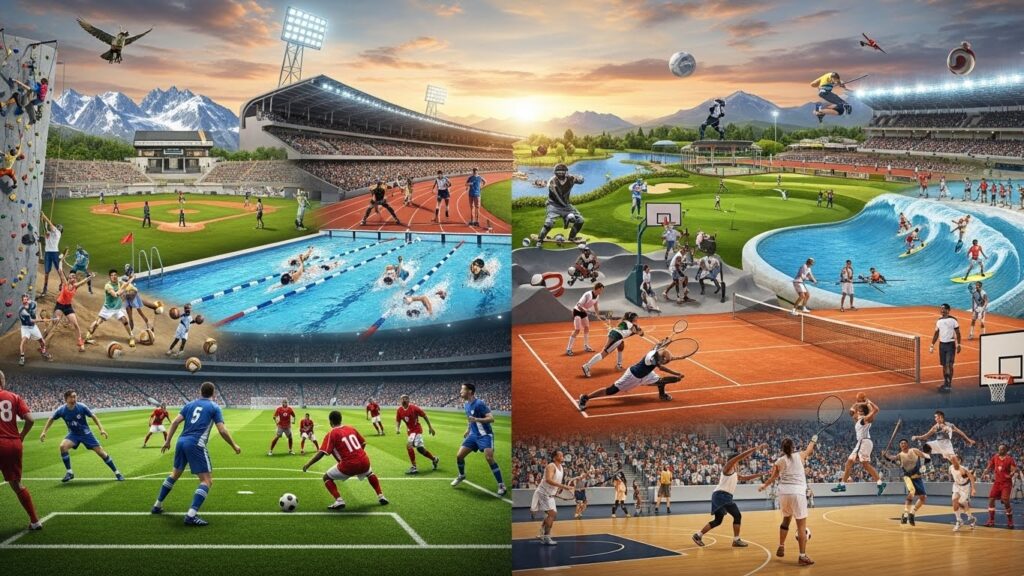
Sports have always been more than just a contest of physical ability. From ancient arenas to modern stadiums, the thrill of competition has inspired, united, and transformed societies. While spectators cheer for goals, touchdowns, or home runs, the true impact of sports extends far beyond the playing field. It shapes culture, teaches discipline, builds communities, and even influences economies. This blog explores the multifaceted world of sports, examining how it touches every corner of human life, from personal development to global culture.
The Historical Roots of Sports
Sports are woven into the fabric of human history. Ancient civilizations such as the Greeks, Egyptians, and Chinese developed organized games not just for recreation but as a demonstration of skill, strategy, and physical excellence. The Olympics, dating back to 776 BCE, exemplified the celebration of human potential and competition. Similarly, martial arts and traditional games reflected the values and philosophies of their societies. Understanding the origins of sports provides insight into how they became a universal language, connecting people across continents and generations.
Physical and Mental Benefits of Sports
At the core, sports improve health. Regular participation strengthens muscles, enhances cardiovascular fitness, and improves coordination and flexibility. Beyond physical benefits, sports cultivate mental resilience. The discipline required to train, the focus needed to execute strategies, and the ability to handle both victory and defeat develop character and emotional intelligence. Studies show that athletes often exhibit higher levels of confidence, problem-solving skills, and stress management. By promoting both physical and mental well-being, sports contribute to holistic human development.
Teamwork and Collaboration
One of the most powerful lessons sports teach is the value of teamwork. Whether on the soccer field, basketball court, or in relay races, success depends on collaboration, communication, and trust. Athletes learn to balance individual performance with collective goals, understanding that the success of the group often outweighs personal achievement. These lessons translate directly into professional and social settings, preparing individuals to work effectively in diverse teams. Sports demonstrate that collective effort, guided by mutual respect and shared purpose, often leads to extraordinary outcomes.
Sports and Personal Growth
Participating in sports builds resilience and determination. Athletes face setbacks, injuries, and losses that require perseverance and adaptability. This process of learning from failure and striving for improvement develops mental toughness and a growth mindset. Moreover, sports foster leadership skills, as individuals often take initiative, motivate peers, and make strategic decisions under pressure. These qualities extend far beyond the playing field, equipping participants with the tools to navigate challenges in everyday life, education, and careers.
The Cultural Impact of Sports
Sports are deeply intertwined with culture. Major events like the World Cup or the Olympics inspire national pride and collective identity. Local sports traditions and games reflect the history, values, and creativity of communities. In many regions, sports serve as a bridge across social, economic, and political divides, fostering unity and understanding. Cultural symbols and rituals surrounding sports, such as team chants, mascots, and ceremonies, strengthen community bonds and create shared experiences that endure across generations.
Economic Influence of Sports
Beyond personal and cultural impact, sports have a significant economic footprint. Major tournaments generate revenue from ticket sales, merchandise, broadcasting rights, and tourism. Local economies benefit from stadium construction, event management, and related services. Professional leagues provide employment opportunities for athletes, coaches, medical staff, and administrative personnel. Even small-scale sports initiatives can stimulate local business and promote community development. The economic influence of sports highlights its role not just as entertainment but as a catalyst for growth and opportunity.
Innovation and Technology in Sports
The evolution of sports has been fueled by technology and innovation. From performance-enhancing equipment to advanced training methods, technology has elevated the level of competition. Video replay systems and analytics tools allow coaches and players to make precise, data-driven decisions. Wearable technology monitors performance, recovery, and health metrics. Virtual and augmented reality platforms provide immersive training experiences. These innovations not only improve athletic performance but also enhance the spectator experience, making sports more engaging and accessible worldwide.
Women in Sports: Breaking Barriers
Historically, sports were dominated by men, but this trend has dramatically changed. Women athletes are breaking barriers, challenging stereotypes, and achieving remarkable milestones. Their success inspires new generations and promotes gender equality in all fields. Increased media coverage, sponsorship, and professional leagues for women have expanded opportunities and recognition. The rise of female athletes is reshaping perceptions, proving that dedication, talent, and determination know no gender. This shift not only strengthens the sports world but also contributes to broader social progress.
Sportsmanship and Ethics
Sportsmanship is a fundamental aspect of athletic competition. Fair play, respect for opponents, and integrity are values that define true sportsmanship. While winning is celebrated, the manner in which athletes compete carries lasting significance. Ethical conduct ensures that sports remain a positive and uplifting force. Issues such as doping, corruption, and match-fixing challenge these ideals, emphasizing the need for vigilance and accountability. By promoting ethics, sports can serve as a model for honesty, responsibility, and mutual respect in wider society.
Youth Sports and Development
Engaging young people in sports offers lifelong benefits. Youth programs provide safe spaces for exercise, social interaction, and skill development. Participation in sports encourages goal-setting, time management, and perseverance. Coaches and mentors play critical roles in guiding young athletes, teaching them both athletic skills and life lessons. Early exposure to sports instills habits of discipline, teamwork, and resilience that influence personal growth and career trajectories. By investing in youth sports, communities cultivate not only athletes but also responsible and confident citizens.
Global Competitions and Unity
Global sports events serve as a powerful platform for international unity. Competitions such as the Olympics, World Cup, and international marathons bring together athletes and fans from diverse backgrounds. These events showcase talent, foster cross-cultural exchange, and celebrate human achievement. Even amidst political tensions or cultural differences, sports provide common ground, highlighting shared passions and aspirations. In this way, sports function as a universal language, demonstrating that collaboration, respect, and excellence transcend borders.
The Future of Sports
The future of sports is being shaped by innovation, inclusivity, and sustainability. Advancements in technology will continue to redefine performance, training, and fan experiences. Efforts to make sports accessible to all, regardless of gender, socioeconomic status, or physical ability, will expand participation. Additionally, environmental consciousness is influencing how sports events are organized, from energy-efficient stadiums to sustainable materials for equipment and apparel. The future promises a sports landscape that is not only exciting and competitive but also socially responsible and globally connected.
Conclusion
Sports are far more than games; they are a reflection of human potential, culture, and society. They teach discipline, foster collaboration, inspire creativity, and unite communities. The lessons learned on the field extend into personal, professional, and social life, shaping individuals and society alike. As technology evolves, barriers break, and communities come together, sports continue to grow in influence, relevance, and impact. Engaging with sports, whether as a participant or a fan, is an invitation to experience passion, perseverance, and connection—elements that define the essence of being human.



More Stories
Beyond the Scoreboard: How Sports Shape Minds, Cultures, and the Future
Beyond the Game: The Transformative Power of Sports in Society
Beyond the Scoreboard: How Sports Shape Minds, Nations, and Everyday Life