Introduction: More Than Just a Game
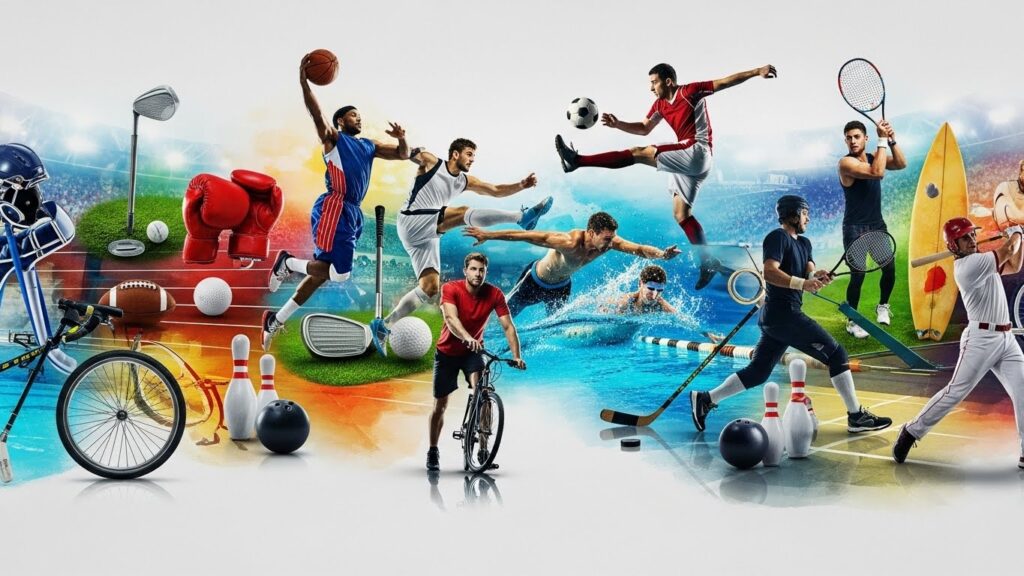
Sports have always been more than competition. From ancient arenas to modern stadiums, they reflect who we are, what we value, and how we connect with one another. While the final score often dominates headlines, the deeper impact of sports lives beyond wins and losses. Sports shape character, influence culture, drive economies, inspire innovation, and unite people across borders, languages, and beliefs. This blog explores how sports function as a powerful force in society, touching lives in ways that extend far beyond the playing field.
The Universal Language of Sports
One of the most remarkable qualities of sports is their ability to communicate without words. A goal celebrated, a finish line crossed, or a record broken can be understood and felt by anyone, anywhere. Sports create shared emotions that transcend nationality and background. A child kicking a ball in a dusty street shares the same joy as a professional athlete scoring in a packed stadium.
This universality makes sports a bridge between cultures. International tournaments bring together countries that may otherwise have little interaction. Fans learn about other nations through their teams, traditions, and styles of play. In this way, sports quietly promote understanding and respect, offering a peaceful platform for global connection.
Building Character and Discipline
Participation in sports plays a significant role in personal development. Athletes learn discipline through training, patience through setbacks, and resilience through defeat. These lessons often carry into everyday life, shaping how individuals approach challenges at school, work, and relationships.
Team sports, in particular, teach cooperation and accountability. Players must trust one another, communicate effectively, and work toward a shared goal. Individual sports, on the other hand, cultivate self-reliance and mental toughness. Both paths encourage goal-setting and self-improvement, reinforcing the idea that progress comes from consistent effort rather than instant success.
The Mental Health Dimension of Sports
In recent years, the conversation around mental health in sports has grown louder and more honest. Physical activity is widely recognized for its positive impact on mental well-being. Exercise reduces stress, improves mood, and boosts confidence. For many, sports provide a healthy outlet for emotions and a sense of purpose.
At the same time, the pressure faced by athletes has highlighted the need for balance and support. Expectations from fans, media, and sponsors can be overwhelming. By acknowledging these challenges, the sports world is gradually redefining strength to include vulnerability, rest, and mental care. This shift not only benefits athletes but also sends a powerful message to society about the importance of mental health.
Sports as a Cultural Mirror
Sports often reflect the cultural values and social dynamics of their time. The way games are played, celebrated, and commercialized reveals much about a society’s priorities. For example, the growing emphasis on fairness and inclusion has led to changes in rules, policies, and representation across many sports.
Athletes have also become cultural icons, influencing fashion, language, and social movements. Their platforms allow them to speak on issues such as equality, justice, and education. When athletes use their voices responsibly, sports become a catalyst for meaningful dialogue and change.
Technology and the Evolution of Competition
Technology has transformed sports in profound ways. Training methods now rely on data analysis, wearable devices, and performance tracking to optimize results. Coaches can study patterns, prevent injuries, and tailor strategies with unprecedented precision. This scientific approach has raised the overall level of competition and extended athletic careers.
For fans, technology has enhanced the viewing experience. High-definition broadcasts, instant replays, and immersive visuals bring audiences closer to the action. Analytics have also changed how fans understand games, encouraging deeper engagement and discussion. While tradition remains important, innovation continues to redefine what sports look like in the modern era.
The Economic Power of Sports
Sports are a major economic engine. They create jobs, attract tourism, and generate revenue through events, merchandise, and media. Cities often invest heavily in sports infrastructure, viewing teams and tournaments as tools for development and global recognition.
However, this economic influence comes with responsibility. Sustainable planning, fair labor practices, and community involvement are essential to ensure that the benefits of sports are shared widely. When managed thoughtfully, sports can contribute to long-term growth and social well-being rather than short-term profit.
Grassroots Sports and Community Impact
While professional sports capture the spotlight, grassroots sports form the foundation of the entire system. Local clubs, school teams, and community programs introduce young people to physical activity and teamwork. These environments are where passion is first discovered and nurtured.
Community sports foster inclusion and belonging. They provide safe spaces for children and adults to connect, regardless of skill level or background. By investing in grassroots programs, societies invest in healthier lifestyles, stronger communities, and future generations of athletes and leaders.
Gender Equality and Changing Narratives
The landscape of sports is evolving toward greater gender equality. Women’s sports are gaining visibility, support, and respect, challenging long-standing stereotypes. Increased coverage and investment have led to higher participation rates and improved standards of competition.
This progress is not just about fairness in sports; it influences broader perceptions of gender roles. When young people see diverse role models succeeding on the field, they are encouraged to dream without limits. The continued growth of women’s sports represents a cultural shift toward inclusivity and equal opportunity.
Sportsmanship and Ethics in Competition
At its best, sports teach respect, integrity, and fair play. Sportsmanship reminds us that how we compete matters as much as the outcome. Shaking hands after a match, accepting decisions, and acknowledging opponents reinforce values that extend beyond sports.
Ethical challenges, such as cheating and corruption, threaten these ideals. Addressing them requires strong governance, education, and accountability. Upholding ethical standards preserves the trust of fans and ensures that sports remain a positive force rather than a source of division or disappointment.
The Future of Sports in a Changing World
As society changes, sports will continue to adapt. Issues such as sustainability, digital engagement, and inclusivity will shape the next chapter. Environmental concerns are already influencing how events are organized, with a focus on reducing waste and energy use. Digital platforms are redefining fandom, allowing people to engage with sports in more interactive ways.
The future of sports will depend on balancing tradition with innovation. Preserving the spirit of competition while embracing progress will ensure that sports remain relevant, inspiring, and accessible to all.
Conclusion: Why Sports Will Always Matter
Sports endure because they speak to something deeply human. They offer stories of struggle and triumph, moments of unity and inspiration. Whether played in a neighborhood park or watched by millions, sports remind us of our shared capacity for effort, hope, and connection.
Beyond the scoreboard lies a world of lessons and influences that shape individuals and societies alike. As long as people seek challenge, community, and meaning, sports will continue to play a vital role in our lives, not just as games, but as reflections of who we are and who we aspire to be.



More Stories
Beyond the Game: The Transformative Power of Sports in Society
Beyond the Scoreboard: How Sports Shape Minds, Nations, and Everyday Life
The Unsung Heroes of Sports: The Role of Teamwork, Dedication, and Mental Strength