
Introduction
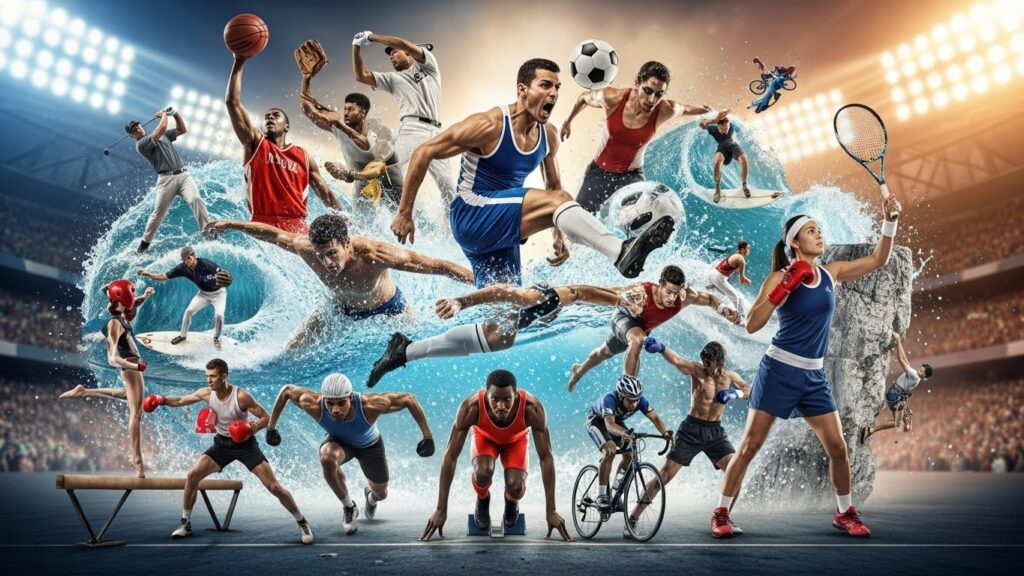
Sports have always been more than just games. They serve as a powerful catalyst for personal growth, social cohesion, and cultural expression. From the roar of a stadium to the quiet determination in a local gym, sports influence lives in ways that extend far beyond the field or court. Whether played professionally or casually, sports embody lessons in teamwork, discipline, resilience, and mental fortitude. This blog explores the multifaceted role of sports in modern society, the psychological and physical benefits, and how they foster a sense of belonging and identity.
The Historical Significance of Sports
Sports have a long and varied history, dating back thousands of years. Ancient civilizations, including the Greeks and Romans, recognized the importance of physical activity, organizing competitive games that often held religious and social significance. The Olympic Games, first held in 776 BC in Olympia, Greece, exemplify how sports were celebrated as a unifying force across regions. Over centuries, sports evolved from local competitions to global phenomena. Today, major events such as the FIFA World Cup and the Olympics attract billions of viewers worldwide, highlighting their enduring appeal and cultural relevance.
Physical Benefits of Sports
Engaging in sports provides numerous physical health advantages. Regular participation strengthens muscles, improves cardiovascular health, enhances flexibility, and supports weight management. High-intensity sports like basketball, soccer, and swimming require endurance, speed, and agility, promoting overall fitness. Even low-impact activities such as yoga, golf, or walking-based sports contribute to maintaining mobility and joint health. Moreover, consistent physical activity through sports can reduce the risk of chronic diseases like diabetes, hypertension, and heart disease. Beyond these benefits, the discipline required for sports training instills healthy lifestyle habits that extend into everyday life.
Mental and Emotional Impact
Sports are not only about physical health; they significantly influence mental well-being. Engaging in competitive or recreational sports releases endorphins, chemicals in the brain that reduce stress and induce a sense of happiness. Participation in team sports fosters social interaction, helping athletes develop communication and cooperation skills. Overcoming challenges on the field teaches resilience and perseverance, essential traits that translate into personal and professional success. Sports also provide an outlet for emotional expression, helping individuals manage anxiety, depression, and other mental health concerns. The psychological benefits of sports often extend beyond the players, positively impacting families, communities, and fans.
Teamwork and Social Skills
One of the most powerful lessons sports impart is the value of teamwork. In sports, success often depends on collaboration, understanding roles, and supporting others toward a common goal. Whether on the soccer field, basketball court, or relay race track, athletes learn to trust teammates, strategize collectively, and embrace diverse strengths. These skills are transferable to professional and personal contexts, where communication, leadership, and cooperation are critical. Team sports also cultivate empathy and conflict resolution abilities, teaching participants to navigate disagreements constructively and work harmoniously despite differences.
Discipline and Time Management
Athletes develop discipline through consistent practice, adherence to rules, and commitment to improvement. Sports demand structured routines, which enhance time management and organizational skills. Balancing training, competitions, and personal life requires planning and prioritization. These skills are particularly beneficial for young athletes, as they lay the foundation for responsible adulthood. Discipline cultivated through sports extends beyond the playing field, influencing academic performance, career success, and personal development. It instills a mindset of setting goals, working diligently, and embracing challenges as opportunities for growth.
Sports as a Community Builder
Sports serve as a bridge across cultural, economic, and social divides. Community sports programs bring people together, creating a shared sense of identity and belonging. Local clubs, recreational leagues, and school teams foster social cohesion by encouraging participation, volunteerism, and collective pride. Spectator sports also unite communities, with fans celebrating victories and coping with losses together. The communal aspect of sports can strengthen civic engagement, support charitable initiatives, and promote inclusivity. By creating spaces for shared experiences, sports contribute to healthier, more connected societies.
Inspiring Role Models
Athletes often serve as role models, inspiring others to pursue excellence and embrace positive values. Figures like Serena Williams, Lionel Messi, and Usain Bolt have transcended their respective sports to influence global culture. Their dedication, resilience, and commitment to their craft motivate aspiring athletes and fans alike. Beyond fame, many athletes use their platforms for social advocacy, raising awareness about issues such as gender equality, racial justice, and mental health. By demonstrating the intersection of talent, hard work, and social responsibility, athletes embody the transformative power of sports in shaping character and society.
Sports and Education
The relationship between sports and education is profound. Participation in school or college sports programs enhances cognitive abilities, concentration, and academic performance. Studies indicate that students engaged in sports often develop better problem-solving skills, time management, and self-esteem. Educational institutions leverage sports to teach life skills, foster leadership, and promote a holistic approach to learning. Beyond the classroom, sports scholarships provide opportunities for higher education, enabling talented individuals to pursue academic and athletic excellence simultaneously. Integrating sports into education creates a balanced environment that nurtures both mind and body.
Globalization of Sports
In the modern era, sports have become a global phenomenon, transcending borders and cultures. International tournaments, professional leagues, and digital broadcasting have enabled fans from all over the world to engage with their favorite teams and athletes. The globalization of sports fosters cross-cultural understanding, allowing people to appreciate diverse traditions, styles, and strategies. Events like the Rugby World Cup or the Tour de France showcase athletic prowess while promoting international camaraderie. The global sports ecosystem also drives economic growth, tourism, and media industries, demonstrating the widespread influence of sports beyond mere entertainment.
Technology and Innovation in Sports
Advancements in technology have revolutionized the way sports are played, viewed, and analyzed. Wearable devices monitor physical performance, heart rate, and recovery, enabling athletes to optimize training and prevent injuries. Video replay systems, analytics, and AI-assisted coaching have enhanced decision-making, strategy, and fairness in competitions. Fans benefit from immersive experiences through virtual reality, live streaming, and interactive platforms. Technology has not only improved performance and safety but also increased accessibility, allowing a wider audience to participate in and enjoy sports. The integration of innovation continues to shape the evolution of modern athletics.
Challenges in Sports
Despite their numerous benefits, sports also present challenges. Injuries, performance pressure, and burnout are common issues faced by athletes at all levels. The competitive nature of sports can sometimes lead to unhealthy comparisons, anxiety, and overtraining. Additionally, issues such as doping, corruption, and discrimination can tarnish the integrity of sports. Addressing these challenges requires education, ethical governance, and support systems that prioritize athlete well-being. By recognizing and managing risks, the sports community can ensure that participation remains a positive and transformative experience for everyone involved.
The Future of Sports
The future of sports promises exciting developments. Emerging trends include greater inclusivity, with more opportunities for women, differently-abled athletes, and marginalized communities. Technological innovations, from performance-enhancing analytics to fan engagement platforms, will continue to shape how sports are played and consumed. Sustainability is becoming a key focus, with eco-friendly stadiums and initiatives reducing the environmental impact of large-scale events. Additionally, sports are increasingly being leveraged as tools for social change, promoting health, education, and community development. The evolving landscape ensures that sports remain a vital and inspiring force in society.
Conclusion
Sports are far more than competitions or entertainment. They are a reflection of human potential, resilience, and collaboration. From personal growth to community cohesion, the benefits of sports permeate every aspect of life. By encouraging physical fitness, mental well-being, teamwork, discipline, and social engagement, sports cultivate holistic development. They inspire role models, foster global connections, and drive technological and cultural progress. Ultimately, sports are a universal language that unites individuals across backgrounds, empowering people to strive for excellence, embrace challenges, and celebrate the joy of play.




More Stories
Beyond the Scoreboard: How Sports Shape Minds, Cultures, and the Future
Beyond the Game: The Transformative Power of Sports in Society
Beyond the Scoreboard: How Sports Shape Minds, Nations, and Everyday Life