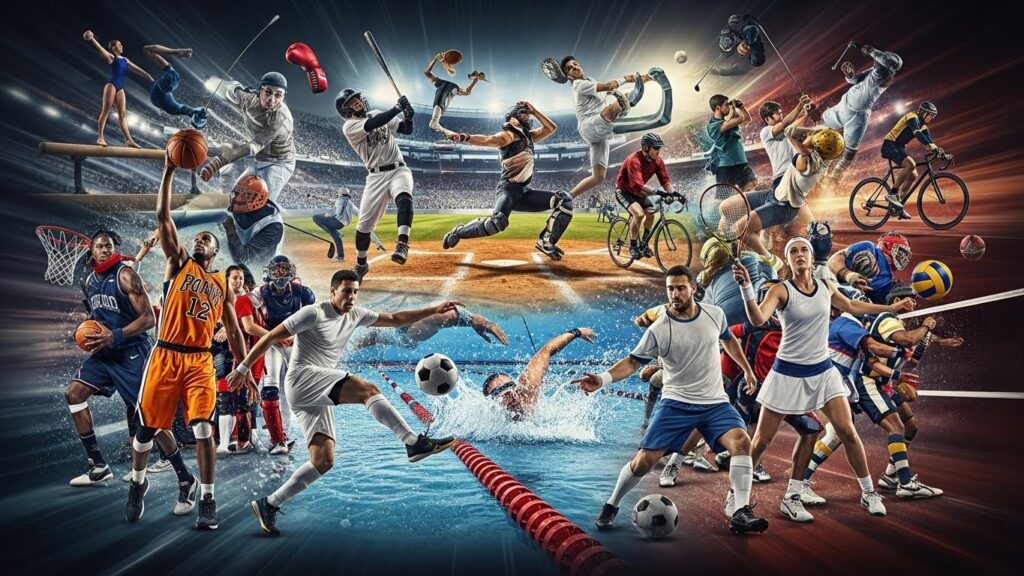
Sports have been an integral part of human culture for thousands of years. From ancient civilizations to modern times, sports have evolved from simple physical activities into multi-billion-dollar industries. They are a source of entertainment, personal achievement, and even national pride. Whether it’s the intense thrill of watching a championship game or the joy of participating in a community event, sports have a unique way of connecting people across the globe.
In this blog post, we’ll explore the various aspects of sports, from their history and cultural significance to the global impact they have today. We’ll examine the evolution of different sports, the psychological effects of participation, and how sports have the power to unite communities, inspire greatness, and even drive social change.
The Origins of Sports: From Ancient Traditions to Modern Competitions
The history of sports dates back to the earliest human societies. Some of the first organized forms of sport can be traced to ancient civilizations, where physical competitions were held for entertainment, religious purposes, or to train warriors. Over time, sports evolved, taking on more formalized rules and structures, and gradually became an essential part of cultural identity.
1. Early Civilizations and the Birth of Sport
Sports can be found in nearly every ancient civilization, with notable examples including the ancient Greeks, Egyptians, and Chinese. The ancient Olympic Games, which began in 776 BCE, are perhaps the most famous early example of organized sport. The Greeks established the Games as a celebration of athletic prowess and to honor their gods. The competition, held in Olympia, included events such as running, discus throwing, and wrestling.
In Egypt, physical contests were part of religious rituals and military training, while in China, martial arts developed as both a means of self-defense and a form of sport. Ancient cultures recognized the value of physical fitness and competition, not only for entertainment but also for developing strength, endurance, and discipline.
2. The Medieval and Renaissance Periods
After the fall of the Roman Empire, organized sports became less common in Europe, although physical competitions still took place, often as part of festivals or local traditions. For example, medieval jousting tournaments became popular among knights and nobles. These events were not just for entertainment; they were often a way to display skill, honor, and social status.
The Renaissance period saw a renewed interest in physical fitness and the arts, which led to the revival of ancient games. The idea of sports as a form of recreation and exercise began to gain traction. In England, for instance, traditional games like football and cricket began to take shape, laying the groundwork for modern sports.
The Modern Sports Era: Globalization, Professionalization, and Commercialization
By the 19th and 20th centuries, sports had evolved into a global phenomenon. Advances in transportation, communication, and media helped sports transcend national boundaries, transforming local games into international competitions. The late 19th century saw the creation of major sporting events, such as the modern Olympic Games and the first professional leagues.
1. The Birth of Professional Sports
Professional sports leagues began to take shape in the late 1800s and early 1900s. Baseball in the United States, for instance, formed its first professional league, Major League Baseball (MLB), in 1901. The National Football League (NFL) was established in 1920, and basketball’s National Basketball Association (NBA) was formed in 1946. These leagues provided a platform for athletes to showcase their skills on a national and eventually global stage.
The rise of professional sports was driven by several factors, including the growing popularity of sports as entertainment, the increasing commercialization of sports, and the expanding media coverage that helped sports reach a wider audience. These leagues not only provided athletes with financial opportunities but also created a fan culture that could span across regions and even continents.
2. The Globalization of Sports
The 20th century saw sports become increasingly global. Television and radio broadcasts brought major sporting events into homes around the world. The Olympics, World Cup, and other international tournaments became global spectacles, drawing attention from billions of viewers. The accessibility of sports grew, and athletes from various countries began to compete on the world stage, further enhancing sports’ status as a universal language.
In addition to traditional team sports like football, basketball, and tennis, new sports and events emerged as global competitions. The rise of Formula 1 racing, the expansion of mixed martial arts (MMA), and the growing popularity of esports are prime examples of sports that have gained global recognition and fan bases. Sports are no longer limited by geographical boundaries; they have become a shared cultural experience for people from all walks of life.
The Role of Sports in Society: More Than Just Games
Sports are much more than just a way to pass the time. They are deeply embedded in society, shaping our culture, values, and even our economies. Whether at the professional level or in local communities, sports impact individuals in ways that go beyond physical activity and entertainment.
1. Physical and Mental Benefits
The physical benefits of participating in sports are well-documented. Regular participation in sports helps to improve cardiovascular health, strengthen muscles, and increase flexibility. It can also help manage weight, reduce the risk of chronic diseases like diabetes, and improve overall longevity.
But the benefits of sports extend far beyond physical health. Research has shown that sports play a critical role in mental well-being. Physical activity releases endorphins, which are chemicals in the brain that promote feelings of happiness and reduce stress. Participation in sports can also boost self-esteem, improve cognitive function, and provide a sense of accomplishment.
2. Sports and Socialization
One of the most significant social benefits of sports is their ability to bring people together. Sports provide a shared experience that can unite individuals across cultural, racial, and socio-economic divides. Whether it’s playing on a local team or cheering for a favorite professional club, sports create a sense of community and belonging.
At the grassroots level, youth sports play an essential role in teaching teamwork, discipline, and communication skills. Coaches and teammates become mentors and friends, and the bonds formed through sport often last a lifetime. At the professional level, sports offer a unique platform for socializing and creating networks, as fans from different backgrounds come together to support their teams.
3. Sports and National Identity
Sports have long been used as a tool for national identity and pride. Major international sporting events, such as the Olympics or the FIFA World Cup, offer countries the opportunity to showcase their athletes and celebrate their culture. Winning a gold medal or a World Cup title can bring immense pride to a nation, uniting citizens in ways that go beyond politics or economics.
International competitions also serve as a form of soft power, allowing nations to project their influence and values on the global stage. Successful athletes often become national heroes, symbols of national pride, and inspirations for future generations.
4. The Economic Impact of Sports
Sports also have a significant economic impact. Professional sports leagues generate billions of dollars in revenue from ticket sales, merchandise, broadcasting rights, and sponsorship deals. In cities around the world, stadiums, arenas, and sports complexes contribute to local economies by providing jobs and attracting tourism.
The sports industry also supports a vast network of related businesses, including media companies, sports equipment manufacturers, and apparel brands. These sectors provide significant employment opportunities and play a crucial role in economic development.
The Dark Side of Sports: Challenges and Controversies
While sports bring numerous benefits, they also come with their own set of challenges and controversies. Over the years, various issues have surfaced that have threatened the integrity of sports and the well-being of athletes.
1. Corruption and Match-Fixing
Corruption and match-fixing scandals have plagued sports for decades. From bribery to illegal betting, corruption has tarnished the reputation of many organizations and events. High-profile cases, such as the infamous FIFA corruption scandal and the 2018 Russian doping scandal in the Olympics, have highlighted the dark side of the sports world. These incidents undermine the integrity of the games and can lead to severe consequences for those involved.
2. Athlete Health and Safety
Athletes face significant risks to their health, both physically and mentally. In contact sports like football, rugby, and boxing, the risk of concussions and long-term brain injuries is a major concern. Studies have shown that repeated head injuries can lead to chronic traumatic encephalopathy (CTE), a neurodegenerative disease that affects former athletes, leading to cognitive decline and mood disorders.
Mental health issues among athletes are also becoming a growing concern. The pressure to perform at the highest level, combined with the intense public scrutiny, can take a toll on an athlete’s mental well-being. Increasing awareness of these issues has prompted many sports organizations to implement better support systems for athlete mental health.
3. Inequality and Discrimination
Inequality in sports, both in terms of gender and race, remains a persistent problem. Women’s sports, while growing in popularity, still struggle with lower pay, fewer media opportunities, and unequal recognition compared to men’s sports. Racial discrimination and lack of representation in some sports have also been ongoing issues, with athletes like Jackie Robinson and Serena Williams facing and overcoming systemic barriers.
The Future of Sports: Technology, Innovation, and New Frontiers
The future of sports is poised for further transformation, driven by advances in technology and changes in the way we consume and interact with sports. Virtual reality (VR), augmented reality (AR), and artificial intelligence (AI) are already reshaping the sports experience, both for players and fans.



More Stories
Beyond the Scoreboard: How Sports Shape Minds, Cultures, and the Future
Beyond the Game: The Transformative Power of Sports in Society
Beyond the Scoreboard: How Sports Shape Minds, Nations, and Everyday Life