
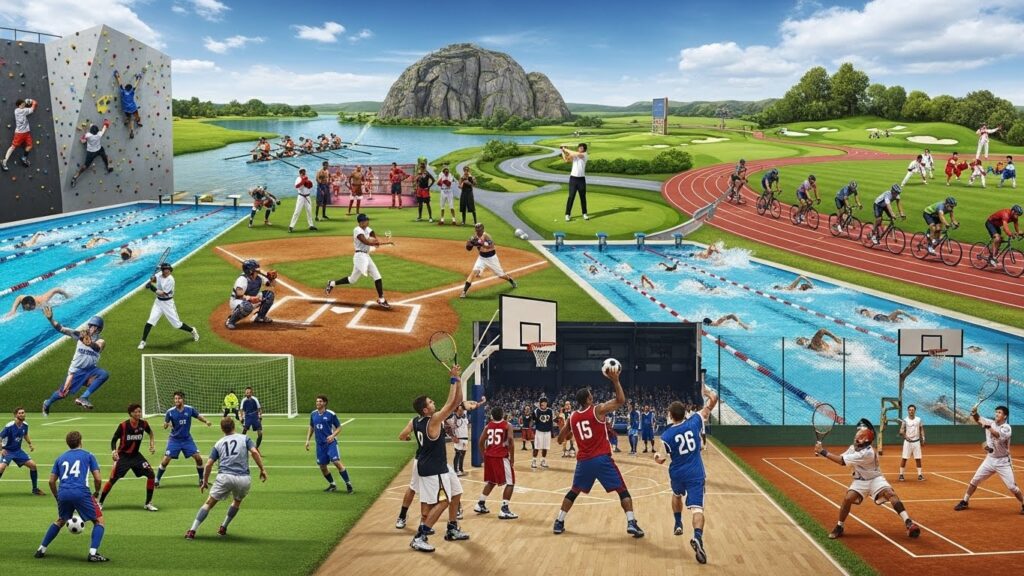
Introduction: More Than Just a Game
Sports have always held a special place in human society. From the earliest days of organized competition to modern global spectacles, sports are far more than just a pastime—they are a reflection of culture, identity, and the human spirit. Across the globe, people devote time, energy, and passion to playing, watching, and discussing sports. But what is it about sports that captures our attention and stirs our emotions so profoundly? Beyond the thrill of victory and the agony of defeat, sports teach us lessons about discipline, teamwork, perseverance, and resilience that are applicable far beyond the playing field.
The Cultural Significance of Sports
Sports are not just physical contests; they are deeply embedded in the cultural fabric of societies. Take, for example, cricket in India, soccer in Brazil, or sumo wrestling in Japan. Each sport carries with it traditions, values, and a shared sense of identity. Sporting events often serve as national celebrations, uniting people across social, economic, and political divides. Major tournaments and championships can ignite a collective pride that transcends individual differences, reminding us of the power of shared experience. In many ways, sports function as a universal language, communicating passion and emotion without the need for words.
The Physical and Mental Benefits of Sports
Engaging in sports offers a multitude of physical benefits. Regular participation improves cardiovascular health, strengthens muscles and bones, enhances flexibility, and boosts overall fitness. But the impact of sports extends beyond the body. Athletes often experience mental benefits such as reduced stress, improved focus, and heightened emotional resilience. The discipline required to train consistently fosters self-control and patience, while the challenges faced in competition teach valuable coping strategies for dealing with setbacks in everyday life. Sports provide a structured environment in which individuals can develop both physical prowess and mental toughness.
Teamwork and Social Skills
One of the most profound lessons sports teach is the value of teamwork. Team sports like soccer, basketball, and volleyball require players to communicate effectively, support each other, and work towards a common goal. Even individual sports, such as tennis or swimming, often involve coaches, trainers, and support staff, demonstrating the importance of collaboration and social connection. Participation in sports can help individuals develop empathy, leadership skills, and the ability to navigate social dynamics—qualities that are invaluable both on and off the field. Through shared experiences, athletes learn how to celebrate collective success and handle collective disappointment, strengthening their interpersonal skills.
The Role of Competition in Personal Growth
Competition is at the heart of sports, and it drives personal growth. Competing against others pushes athletes to challenge their limits, innovate strategies, and strive for continuous improvement. The lessons learned from competition extend far beyond the scoreboard. Winning humbly teaches gratitude and respect for others, while losing gracefully fosters resilience and determination. The ability to set goals, develop plans, and persevere through obstacles is cultivated through the competitive nature of sports. This growth mindset often carries over into other aspects of life, including education, career, and personal relationships.
Sports as a Source of Inspiration
Throughout history, athletes have inspired millions through their achievements and dedication. Stories of perseverance, such as overcoming injury, breaking barriers, or rising from humble beginnings to global recognition, resonate deeply with people. Athletes often become role models, not only for their physical skill but for their mental strength and character. Their journeys illustrate that hard work, commitment, and resilience can lead to extraordinary accomplishments. Inspiration drawn from sports can motivate individuals to pursue their own goals with determination, whether in athletics, academics, or professional life.
Economic and Social Impact of Sports
Sports also play a significant role in the economy and social development. Major sporting events create jobs, stimulate tourism, and generate revenue for local communities. Beyond economic benefits, sports can serve as a platform for social change. Initiatives promoting gender equality, youth development, and health awareness often use sports as a tool to reach communities effectively. By providing opportunities for engagement, sports help foster inclusion, empowerment, and social cohesion. The positive influence of sports extends far beyond the stadium, shaping society in meaningful ways.
Technological Advancements in Sports
Modern sports are increasingly influenced by technology, from performance tracking to broadcasting innovations. Advanced analytics allow coaches and athletes to measure performance, optimize training, and reduce the risk of injury. Wearable devices and sensors provide real-time data that can enhance strategy and technique. Additionally, technology has transformed how fans experience sports, with high-definition broadcasts, instant replays, and interactive platforms creating deeper engagement. The intersection of sports and technology demonstrates how innovation can enhance both participation and spectator enjoyment, making sports more accessible and dynamic than ever before.
The Psychological Dimension of Sports
Sports psychology has become an essential component of modern athletics. Mental preparation, focus, and emotional regulation can make the difference between victory and defeat. Athletes learn to manage pressure, stay motivated, and maintain confidence even in challenging situations. Techniques such as visualization, goal-setting, and mindfulness are employed to optimize performance. Beyond professional athletes, these psychological strategies can benefit anyone involved in sports, helping individuals improve concentration, reduce anxiety, and develop a more positive mindset. The mental aspects of sports highlight the intricate connection between mind and body.
Sports and Community Building
Community sports programs have a profound impact on social cohesion and individual development. Local leagues, youth clubs, and recreational activities create spaces for people of all ages to connect, build friendships, and develop a sense of belonging. These programs provide opportunities for mentorship, leadership, and skill-building. In many cases, sports serve as a constructive outlet for energy, promoting healthy lifestyles and reducing the likelihood of engagement in harmful activities. By fostering inclusion and teamwork, sports strengthen the social fabric of communities and create lasting bonds among participants.
Challenges and Ethical Considerations
Despite its many benefits, the world of sports is not without challenges. Issues such as doping, corruption, and commercialization can undermine the integrity of competition. Additionally, the pressure to win can sometimes lead to mental health struggles among athletes. Addressing these challenges requires ethical standards, transparent governance, and a commitment to fairness and well-being. Promoting sportsmanship, integrity, and respect for the rules ensures that sports continue to serve as a positive force in society. Ethical considerations remind us that sports are not just about results but also about character and values.
The Future of Sports
Looking ahead, the landscape of sports continues to evolve. Emerging trends such as e-sports, adaptive sports for individuals with disabilities, and increased focus on sustainability are reshaping how we participate in and experience athletic competition. Globalization and technological advancements will continue to expand the reach of sports, connecting fans and athletes across borders. Despite these changes, the core essence of sports—discipline, teamwork, competition, and personal growth—remains constant. The future promises new opportunities for engagement, innovation, and inspiration, ensuring that sports will continue to be an integral part of human life for generations to come.
Conclusion: The Enduring Power of Sports
Sports are more than entertainment; they are a reflection of human values, ambition, and resilience. They teach lessons about teamwork, perseverance, discipline, and mental fortitude that resonate far beyond the field. From fostering community connections to inspiring personal growth, sports have a profound impact on individuals and society alike. As we celebrate achievements, overcome challenges, and embrace the spirit of competition, sports remind us of our shared humanity. They are a testament to our capacity for dedication, courage, and joy—qualities that define not only athletes but all of us.




More Stories
Beyond the Scoreboard: How Sports Shape Minds, Cultures, and the Future
Beyond the Game: The Transformative Power of Sports in Society
Beyond the Scoreboard: How Sports Shape Minds, Nations, and Everyday Life