Introduction
Sports have always been more than just games. Across centuries and cultures, they have served as a reflection of society, a tool for personal development, and a source of entertainment that unites communities. From the ancient Olympic Games to modern professional leagues, sports influence our lives physically, mentally, socially, and economically. They are a global language that transcends borders, bringing together people from different backgrounds through shared passion and competition. This blog explores the multifaceted role of sports in today’s world, examining its evolution, societal impact, and the future of athletic engagement.
The Evolution of Sports
Sports have evolved significantly over time. In ancient civilizations, athletic contests were often tied to religious ceremonies, military training, or celebrations of cultural identity. The Greeks formalized the Olympic Games to celebrate physical excellence and honor the gods, while other societies developed wrestling, chariot racing, and archery competitions. These early forms of sport emphasized skill, strength, and communal values.
With industrialization and urbanization, sports became more organized and codified. Standardized rules, professional leagues, and international competitions emerged. This shift made sports accessible to a wider population and allowed spectatorship to flourish. Today, sports combine tradition and modern innovation, offering both recreational and professional opportunities to millions worldwide.
Physical Health Benefits of Sports
One of the most obvious advantages of sports is the impact on physical health. Regular participation in athletic activities improves cardiovascular fitness, strengthens muscles, enhances flexibility, and supports weight management. Sports encourage active lifestyles, reducing the risk of chronic illnesses such as diabetes, obesity, and heart disease.
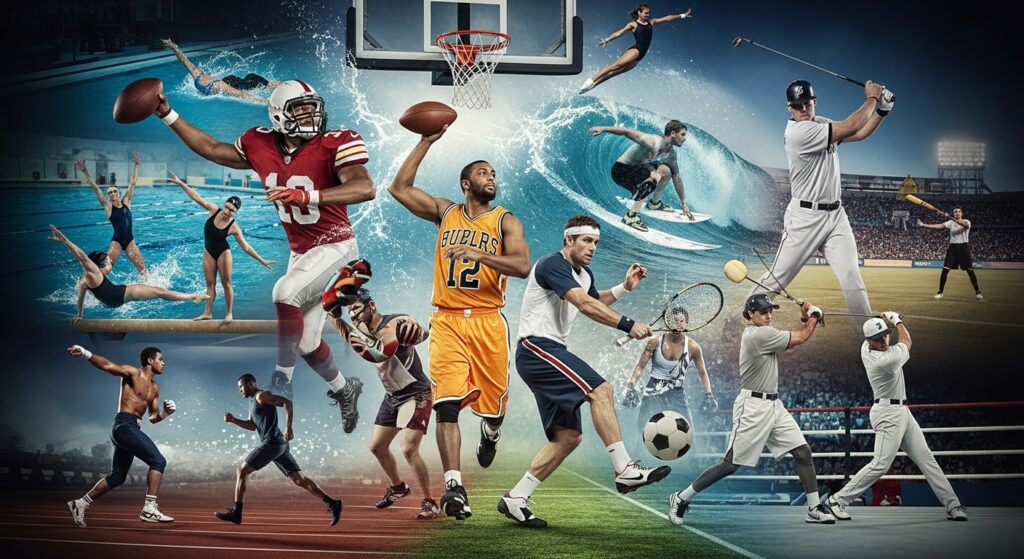
Team sports add additional layers of physical challenge. Games like soccer, basketball, and rugby require endurance, agility, and coordination. Individual sports such as swimming, running, or tennis build stamina, discipline, and motor skills. Beyond fitness, engaging in sports early in life instills habits that promote lifelong health and well-being.
Mental and Emotional Benefits
Sports are not only beneficial for the body but also for the mind. Physical activity releases endorphins, improving mood and reducing stress. Regular exercise has been linked to lower levels of anxiety and depression, as well as improved sleep quality and cognitive function.
Participation in competitive or team sports develops mental resilience, discipline, and focus. Athletes learn to handle pressure, overcome setbacks, and persevere through challenges. Team interactions foster social support and emotional intelligence, while individual sports cultivate self-motivation and concentration. Sports provide a safe and structured environment to develop both mental toughness and emotional balance.
Sports as a Cultural Force
Sports play a vital role in shaping culture and social identity. Iconic events such as the FIFA World Cup, the Olympics, and Wimbledon capture global attention, creating moments of shared celebration and collective pride. These events transcend borders, allowing fans worldwide to unite around a common passion.
At a local level, sports strengthen community bonds. Neighborhood leagues, school competitions, and regional tournaments build connections, instill shared values, and preserve traditions. Sports act as a cultural mirror, reflecting societal values, promoting inclusion, and celebrating human achievement.
Entertainment and Spectatorship
Modern sports are a major form of entertainment. Stadiums have evolved into arenas of spectacle, combining live action with music, visual effects, and fan engagement. Television broadcasts and online streaming allow millions to experience the thrill of sports events regardless of location.
The entertainment value of sports is enhanced by storytelling. Fans follow the journeys of athletes and teams, celebrating victories, empathizing with losses, and witnessing historic moments. The emotional connection between players and spectators makes sports compelling and immersive, creating narratives that extend far beyond the field.
Technology in Sports
Technology has transformed the way sports are played, watched, and analyzed. Wearable devices, smart sensors, and performance tracking tools allow athletes to monitor fitness, optimize training, and prevent injuries. Instant replay, VAR systems, and goal-line technology improve fairness and accuracy in competitions.
Sports broadcasting has also benefited from technological advancements. High-definition cameras, drones, and graphics create immersive viewing experiences. Virtual reality and augmented reality are beginning to allow fans to feel like they are part of the action. Technology ensures that sports continue to evolve, becoming more engaging, precise, and accessible.
Economic Impact of Sports
Sports are a significant contributor to the global economy. Professional leagues, tournaments, and sporting events generate revenue through ticket sales, sponsorships, media rights, and merchandising. Major events such as the Super Bowl, the Olympics, and international football tournaments drive tourism, infrastructure development, and employment.
Athletes themselves contribute to the economy through endorsements and brand partnerships. Sports organizations and federations invest in grassroots development programs to nurture talent, ensuring the continued growth and sustainability of the industry. The economic dimension of sports demonstrates its value beyond recreation, influencing business, tourism, and cultural industries.
Women in Sports: Progress and Challenges
Women have historically faced barriers to participation in sports, but recent decades have seen significant progress. Female athletes now compete at the highest levels, breaking records and inspiring future generations. Women’s leagues and tournaments are gaining recognition, media coverage, and commercial investment.
Increased visibility and support for women’s sports challenge traditional gender norms and promote equality. Young girls around the world are encouraged to pursue athletic careers, demonstrating that talent, dedication, and passion transcend gender. The rise of women in sports is shaping a more inclusive and equitable future for athletics.
Youth and Community Sports
Youth sports are essential for development, teaching physical skills, teamwork, discipline, and leadership. Participation in community leagues and school teams provides young people with structured environments to learn, grow, and compete.
Youth sports also teach life lessons beyond the playing field. Values such as fair play, perseverance, and resilience become ingrained through training and competition. They foster social inclusion and help children from diverse backgrounds interact and build friendships, promoting a sense of belonging and community engagement.
Social and Community Impact
Sports have the power to bring people together and break down social barriers. They unite communities, encourage dialogue, and foster mutual respect. Local and international sports initiatives promote health, education, and social cohesion, often serving as catalysts for broader social development.
Athletes often become role models, inspiring communities through dedication, sportsmanship, and charitable work. Sporting events can mobilize resources, raise awareness about social issues, and contribute to humanitarian causes, demonstrating that sports extend far beyond the arena or field.
The Future of Sports
The future of sports promises continued innovation, inclusivity, and global reach. Advancements in technology will enhance training, performance tracking, and fan engagement. Virtual competitions and digital experiences will expand access to sports for audiences unable to attend live events.
Sports will continue to promote social inclusion, sustainability, and education. Emerging sports, esports, and hybrid competitions are broadening the definition of athletic engagement, creating opportunities for new participants and audiences. The integration of technology, culture, and social awareness ensures that sports will remain a vital part of human life for generations to come.




More Stories
Beyond the Scoreboard: How Sports Shape Minds, Cultures, and the Future
Beyond the Game: The Transformative Power of Sports in Society
Beyond the Scoreboard: How Sports Shape Minds, Nations, and Everyday Life