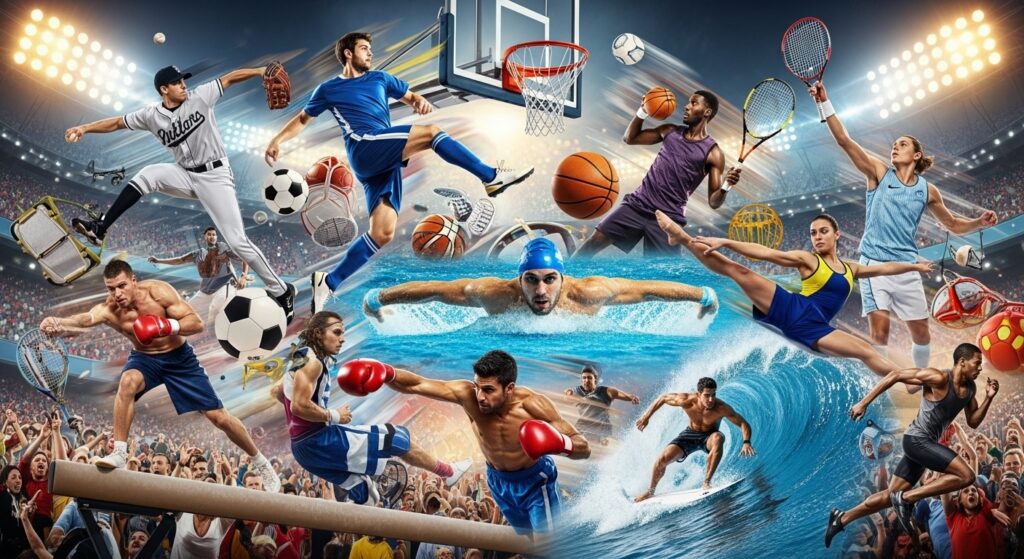
Sports are far more than just games; they are a dynamic, integral part of human culture, a universal language that connects people across geographical, cultural, and social boundaries. From childhood pick-up games to the grandeur of international tournaments, sports influence millions of lives every day. But what is it about sports that captivates the world and brings so much significance to our societies? This blog explores the multifaceted role of sports, how they have evolved, and why they remain an enduring force in our lives.
The Universal Language of Sports
In a world that is often divided by differences, sports have an uncanny ability to unite people. Whether it’s a soccer match between two national teams or a local community’s baseball game, sports create a sense of belonging and camaraderie. At their core, sports are about competition and achievement, but they also offer something deeper: a sense of shared experience. This is particularly evident in global events such as the FIFA World Cup or the Olympics, where people from all walks of life come together, celebrating not just athletic achievement but national pride and personal connection.
What makes sports such a universal language is their simplicity and accessibility. Most sports require little beyond physical space, basic equipment, and a collective interest in playing. Even in areas where resources are scarce, children still find ways to play soccer with makeshift balls, illustrating the enduring appeal of sport at the grassroots level. No matter where you go, you’ll find children kicking a ball, playing basketball, or running races, reflecting the universal joy of movement and play.
The Evolution of Sports: From Ancient Times to Today
The history of sports is long and varied, with the earliest forms of organized competition dating back thousands of years. Ancient civilizations engaged in physical contests, not just for fun but also for religious and cultural purposes. The Greeks are often credited with giving birth to organized competitive sports through the Olympic Games, first held in 776 BC. These ancient games were deeply intertwined with Greek religion and were a way to honor their gods, particularly Zeus. Events such as running, wrestling, boxing, and chariot racing showcased physical prowess while offering spiritual reverence.
As civilizations evolved, so did the complexity and structure of sports. The Roman Empire took a more entertainment-focused approach, introducing gladiatorial combat and large-scale public spectacles to demonstrate power and control. While sports in Ancient Rome were more about spectacle than sport in its modern sense, they laid the groundwork for the relationship between physical contests and entertainment that would later dominate the world stage.
During the Middle Ages, organized sports faded somewhat, but competitive games still took place. Jousting and archery were especially popular among the nobility, while rougher, more violent forms of sports like medieval football gained attention in local villages. These sports, though not as refined as those in the ancient world, maintained the same primal connection to physical challenge and community.
The true modernization of sports, however, came in the 19th century, particularly in the wake of the Industrial Revolution. With increased urbanization and the rise of leisure time, sports transitioned into more structured forms. This period saw the founding of professional leagues, the development of standardized rules, and the establishment of modern Olympic Games, which first took place in 1896. This transition marked the beginning of a new era, where sports moved from local pastimes to global phenomena.
The Rise of Professional Sports
As society grew more urbanized and interconnected, sports evolved into the professional, commercialized industry we recognize today. The concept of “professional athletes” emerged as sports began to generate large audiences, and with it came the establishment of professional leagues. Major sports leagues, including the National Football League (NFL), National Basketball Association (NBA), Major League Baseball (MLB), and European football leagues, became central to the sports ecosystem.
In the early 20th century, professional sports began to attract significant attention and sponsorship. The creation of large sports stadiums and the advent of radio broadcasts allowed fans to experience the thrill of live sports from the comfort of their homes. The popularity of sports skyrocketed as television took over, making events accessible to people worldwide. By the second half of the 20th century, sports had firmly become a multi-billion dollar industry.
One of the most significant aspects of this professionalization of sports is the commercialization that accompanied it. Sponsorship deals, television contracts, and advertising became an essential part of the business. Today, top athletes sign endorsement deals worth millions, and companies pay millions more to have their products featured during major sporting events. This blend of business and sport is a key factor in why sports have such a profound impact on global culture.
The Role of Sports in Society
Beyond entertainment, sports have long played a significant role in shaping societal values, fostering community, and influencing social change. One of the most powerful aspects of sports is their ability to act as a mirror to society, reflecting the changing values and ideologies of the time.
Sports and Social Movements
Throughout history, athletes have used their platform to bring attention to social and political issues. One of the most iconic examples is the 1968 Olympics when American sprinters Tommie Smith and John Carlos raised their fists in a Black Power salute during the medal ceremony to protest racial inequality. Their gesture, though controversial at the time, became one of the most defining moments in the civil rights movement and showcased how sports can transcend the playing field and become a platform for activism.
In more recent years, athletes have continued to advocate for change, with individuals like Colin Kaepernick using their platforms to protest racial injustice through kneeling during the national anthem. These actions have sparked significant debates on the intersection of sports, politics, and social issues, reminding us that sports are not isolated from the real world.
Sports and Identity
Sports also play a significant role in shaping personal and collective identities. For many, being part of a sports team or even just following a particular sport can become a key part of their sense of self. Whether through the identity of being a “soccer mom,” a passionate Liverpool FC fan, or a lifelong participant in amateur running, sports provide a strong sense of belonging.
On a broader scale, national identity is often closely tied to international sporting success. The Olympics, World Cup, and other international events give countries an opportunity to showcase their talent and pride on the global stage. Victories are seen not just as individual triumphs but as reflections of national strength and unity. In countries with a strong sports culture, like Brazil and Argentina in football or the United States in basketball, sports serve as a source of immense national pride.
The Evolution of Fan Culture
One of the most fascinating developments in modern sports is the growth of fan culture. As sports have become more professionalized and globalized, fans have followed suit, creating their own intricate cultures around teams and athletes. These fan communities are built on loyalty, tradition, and shared experiences.
The advent of social media has only intensified fan culture. Platforms like Twitter, Instagram, and YouTube have allowed fans to engage with their favorite athletes in ways that were unimaginable just a few decades ago. Athletes now have a direct line to their fans, while fans, in turn, can influence the conversation around sports in real-time. This new dynamic has made sports more interactive, with fans participating in the conversation surrounding games, outcomes, and even player decisions.
The phenomenon of fantasy sports has further blurred the lines between fan and participant. Millions of people around the world now engage in fantasy leagues, where they draft their own teams and compete for virtual championships. This not only deepens engagement but also turns fans into active participants in the outcome of games, bringing a new level of excitement and personal investment into the sport.
The Future of Sports: What’s Next?
As we move into the 21st century, the world of sports continues to evolve in exciting ways. One of the most promising developments is the rise of eSports. Competitive video gaming has exploded in popularity, with professional leagues, massive tournaments, and millions of viewers worldwide. What started as a niche activity is now a multi-billion dollar industry, with many traditional sports organizations taking note of its potential. Major stadiums are now being built to host eSports events, and companies are investing heavily in its future.
Technological innovations, particularly in data analytics and performance tracking, are also changing the way athletes train and compete. Advanced wearables, artificial intelligence, and big data allow athletes to monitor their physical performance in real-time, optimizing their training and recovery. Technology is also enhancing the fan experience, with virtual reality and augmented reality offering new ways to watch games and interact with content.
Despite these advancements, the core appeal of sports remains unchanged. It’s about the passion, the competition, and the shared experience. Whether through traditional sports or new forms like eSports, sports will continue to be a fundamental part of our lives.
Conclusion
Sports are more than just games; they are a reflection of who we are as individuals and as societies. They have the power to inspire, challenge, and unite people in ways few other activities can. From their humble beginnings in ancient civilizations to the modern, globalized spectacles we enjoy today, sports have evolved into a central force in our culture. As we look to the future, it is clear that sports will continue to shape our lives, bringing people together, sparking social change, and providing entertainment for generations to come.



More Stories
Beyond the Scoreboard: How Sports Shape Minds, Cultures, and the Future
Beyond the Game: The Transformative Power of Sports in Society
Beyond the Scoreboard: How Sports Shape Minds, Nations, and Everyday Life