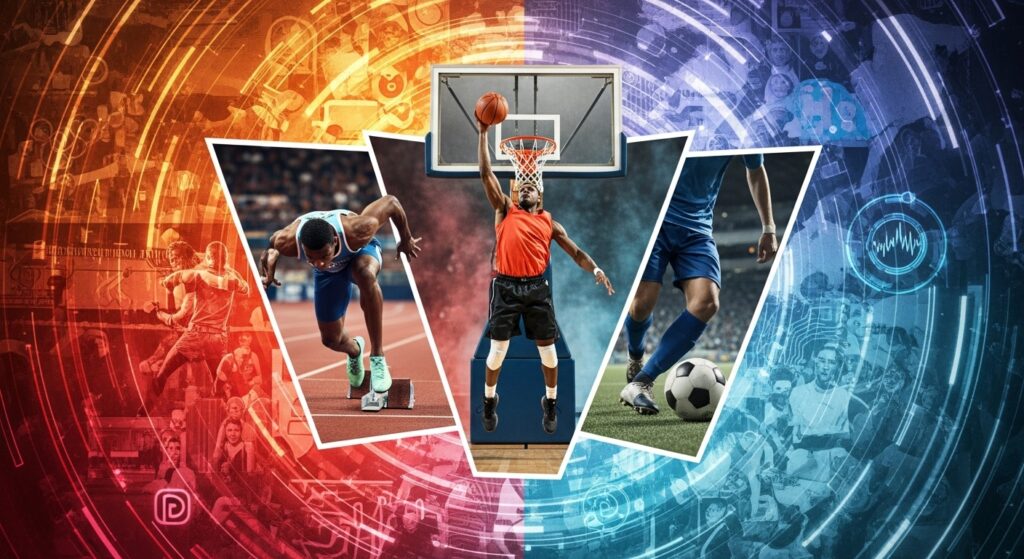
Sports have been an integral part of human civilization since ancient times. From the earliest Olympic Games in Greece to modern international tournaments, sports have reflected human strength, intelligence, discipline, and unity. They are not only a source of entertainment but also a medium for fostering friendship among nations and promoting physical and mental well-being. Sports bring together people from all walks of life, transcending boundaries of race, religion, and nationality. Whether it’s football, cricket, basketball, or athletics, every sport carries its own charm and teaches valuable lessons of perseverance, teamwork, and fair play.
The Historical Evolution of Sports
The history of sports dates back thousands of years. In ancient Egypt, evidence of wrestling, archery, and swimming has been found in tomb paintings. In Greece, sports were deeply connected to religion and culture. The Olympic Games, first held in 776 BC, were organized to honor the Greek god Zeus and featured events such as running, discus throwing, and wrestling. These early competitions were not just about winning but about demonstrating honor, courage, and physical excellence.
In Rome, gladiatorial games became popular, although they were more brutal and aimed at public entertainment. Meanwhile, in Asia, martial arts developed as a form of defense and discipline. In India, games like kabaddi and chaturanga (an early form of chess) had both physical and strategic significance. As time passed, different cultures developed their own unique forms of sports, influenced by their environment, traditions, and lifestyles.
The industrial revolution and colonization brought sports into a new era. The British introduced games like cricket, football, and tennis to their colonies, where these sports evolved with local flavor. Over time, international competitions emerged, leading to the creation of governing bodies and standardized rules. The revival of the modern Olympic Games in 1896 marked a turning point in global sports, establishing a platform for athletes worldwide to showcase their talent and spirit.
The Role of Sports in Modern Society
In the 21st century, sports have become a universal language that connects people globally. They are not only about physical activity but also about economics, media, and culture. Major events like the FIFA World Cup, the Olympics, and the Cricket World Cup attract billions of viewers, making sports one of the most powerful industries in the world.
Sports also play a vital role in education. Schools and universities encourage students to participate in athletic programs to develop discipline, teamwork, and leadership skills. For many young athletes, sports serve as a path to personal growth and even a professional career. Moreover, sports promote inclusivity by providing opportunities for both men and women, as well as people with disabilities, to compete on equal platforms.
Beyond competition, sports promote health and wellness. In an era where sedentary lifestyles are common, engaging in physical activities helps prevent diseases, improve mental health, and enhance overall quality of life. Governments across the world now emphasize sports as an essential part of national development, investing in infrastructure, training programs, and youth initiatives.
The Psychology Behind Sports
Sports are as much about the mind as they are about the body. Athletes often face immense pressure to perform, and success depends heavily on mental strength. Confidence, focus, and emotional control are key psychological factors that determine performance. Sports psychologists work with athletes to enhance motivation, manage stress, and overcome fear of failure.
The concept of sportsmanship is also deeply psychological. It teaches respect for opponents, honesty in competition, and grace in both victory and defeat. True champions understand that losing is not a failure but an opportunity to learn and grow. This mindset helps athletes maintain balance, humility, and resilience.
Additionally, the thrill of sports offers emotional release for both players and spectators. Cheering for a team, feeling the suspense of a close match, or celebrating a win brings people together and creates shared joy. Sports can unite entire nations, fostering patriotism and pride.
Team Sports and Individual Sports
Sports can be broadly categorized into team and individual sports, each with its own dynamics and values. Team sports like football, basketball, volleyball, and cricket emphasize cooperation and communication. Every player has a specific role, and success depends on the group’s ability to function as one unit. This teaches lessons about unity, trust, and shared responsibility.
On the other hand, individual sports such as tennis, boxing, swimming, and athletics highlight personal discipline, determination, and self-reliance. Athletes in these sports carry the entire burden of performance on their shoulders. Their success depends solely on their preparation, strategy, and mindset. Both types of sports are essential, as they shape different aspects of human character.
Interestingly, some sports blend individual brilliance with team dynamics. In cricket, for example, while the performance of one player can change the course of a game, it still requires teamwork to achieve victory. Similarly, in doubles tennis, synchronization and understanding between partners are key.
Sports and Technology
Modern technology has revolutionized the world of sports. From equipment design to performance analysis, technology has enhanced precision and safety. Video analysis helps coaches study player movements, while wearable devices track heart rate, speed, and stamina. Instant replay and goal-line technology ensure fair decisions, reducing human error.
Virtual reality (VR) and artificial intelligence (AI) are also transforming athlete training. Players can now simulate real-match conditions, analyze opponent strategies, and refine their skills without being on the field. Broadcasting technology has made it possible for fans around the world to experience live events in high definition, making sports more accessible and engaging than ever.
Even sports medicine has advanced tremendously. Injuries that once ended careers can now be treated efficiently, allowing athletes to recover faster and perform longer. Nutrition science and biomechanics have become integral parts of professional sports, ensuring that players reach peak physical condition.
Women in Sports
For centuries, women were excluded from most sporting activities. However, the modern era has seen a powerful rise of women athletes who have broken stereotypes and inspired millions. Icons such as Serena Williams, Simone Biles, and Megan Rapinoe have become symbols of empowerment and excellence.
Women’s participation in sports has grown dramatically, thanks to social reforms, awareness campaigns, and global movements advocating equality. Today, almost every major sporting event includes women’s divisions, and many female athletes enjoy equal recognition and sponsorship opportunities.
Women’s sports are also helping change societal attitudes toward gender roles. They encourage young girls to pursue their dreams and demonstrate that strength, leadership, and determination are not confined to any gender. The success of women in sports has not only reshaped athletics but also contributed to broader discussions about equality in workplaces and communities.
The Economic Impact of Sports
Sports are not just games—they are a multi-billion-dollar global industry. From ticket sales and broadcasting rights to merchandise and sponsorships, the economic footprint of sports is enormous. Cities that host international tournaments often experience a surge in tourism and business growth. The Olympic Games, for example, create thousands of jobs and infrastructure improvements that benefit the local population long after the event ends.
Professional athletes earn lucrative contracts, and many become global brands. Sports clubs and franchises also attract massive investments, while the rise of fantasy leagues and eSports has opened entirely new markets. Governments and corporations recognize the value of sports as a tool for economic development and national branding.
However, the commercialization of sports has also raised concerns about ethics and fairness. The growing influence of money can sometimes overshadow the true spirit of competition. Issues like corruption, doping, and match-fixing continue to challenge the integrity of sports. Maintaining a balance between profit and principle is one of the biggest challenges facing the industry today.
Sports and National Identity
Sports often play a significant role in shaping national identity. Victories in international competitions bring pride and unity, while defeats can evoke deep emotions. For many countries, sports serve as a symbol of resilience and progress.
For instance, the 1995 Rugby World Cup became a historic moment for South Africa, helping bridge racial divides after years of apartheid. Similarly, cricket in countries like India and Pakistan is not just a game but a national passion that unites millions. The Olympic Games offer smaller nations an opportunity to gain recognition on the global stage through the achievements of their athletes.
National sports heroes become ambassadors of hope and determination. They inspire future generations to dream big and work hard. In this way, sports strengthen patriotism and bring citizens together regardless of social or cultural differences.
The Dark Side of Sports
While sports bring joy and inspiration, they are not free from challenges. Doping scandals, corruption, and unethical behavior have damaged the credibility of many competitions. The pressure to win at all costs sometimes leads athletes to use performance-enhancing drugs or engage in unfair practices.
Moreover, the intense physical demands of sports can lead to injuries and long-term health issues. Mental health problems among athletes have also become a growing concern. Constant media scrutiny and public expectations can create overwhelming stress.
Another issue is the exploitation of young athletes who are pushed too hard by coaches, families, or sports organizations. In some cases, children are forced into rigorous training regimes that rob them of their childhood. Ensuring the safety, dignity, and fair treatment of all athletes should be a priority for every sports body.
Despite these issues, ongoing reforms, stricter regulations, and increased awareness are helping restore integrity to the sports world. Transparency, education, and ethical leadership remain key to preserving the spirit of fair play.
The Future of Sports
The future of sports looks both exciting and transformative. New forms of competition, such as eSports and mixed-gender tournaments, are redefining what it means to be an athlete. Technology will continue to shape the way we play, watch, and experience sports.
Sustainability is another major focus. Sports organizations are increasingly adopting eco-friendly practices to reduce their environmental impact. From green stadiums to carbon-neutral events, the industry is evolving to align with global sustainability goals.
Inclusivity will also play a vital role in shaping the next generation of sports. Programs promoting diversity, accessibility, and community engagement will ensure that everyone has the opportunity to participate and excel. Sports will remain a platform not only for physical excellence but also for social change, innovation, and unity.
Conclusion
Sports are much more than games; they are a reflection of human spirit and determination. They embody the principles of hard work, respect, and perseverance. From ancient arenas to modern stadiums, sports have continued to inspire, entertain, and unite people across the world.
In a world often divided by politics and differences, sports serve as a common ground where everyone can come together to celebrate passion and excellence. Whether played for fun or glory, at school or on the world stage, sports remind us that true victory lies not only in winning but in striving with honor and giving our best.
As long as humans value courage, discipline, and unity, sports will remain an everlasting symbol of what we can achieve—together.



More Stories
Beyond the Scoreboard: How Sports Shape Minds, Cultures, and the Future
Beyond the Game: The Transformative Power of Sports in Society
Beyond the Scoreboard: How Sports Shape Minds, Nations, and Everyday Life